โชคลาภอาจสะดุด! 3 ข้อห้ามไหว้เจ้าที่ที่คนรักบ้านต้องรู้
การไหว้เจ้าที่ไม่ใช่แค่พิธีกรรม แต่คือการบริหารพลังงานของบ้าน การเลือกผลไม้หรือของไหว้ผิดหลักฮวงจุ้ย อาจกลายเป็น “จุดบอด” ที่ทำให้พลังงานดีไหลออกโดยไม่รู้ตัว สำหรับคอนโดหรือบ้านหรูที่ออกแบบมาอย่างพิถีพิถัน พื้นที่ศาลพระภูมิหรือจุดไหว้เจ้าถือเป็นศูนย์รวมพลังที่ต้องใส่ใจเป็นพิเศษ หากละเลยข้อห้ามโบราณ เช่น การใช้ผลไม้ชื่ออัปมงคลอย่าง มังคุด (คุดคู้) ละมุด (มุดหนี) หรือของไหว้ที่มีตำหนิ จะยิ่งส่งผลต่อบรรยากาศและโชคลาภโดยตรง
เจาะลึกข้อห้ามฮวงจุ้ยและผลกระทบต่อพลังงานบ้าน
การเลือกของไหว้ที่ถูกต้องตามหลักฮวงจุ้ยนั้น ไม่ใช่แค่เรื่องความเชื่อ แต่สะท้อนถึงความใส่ใจในรายละเอียดของเจ้าของบ้าน ซึ่งเป็นคุณสมบัติสำคัญของนักลงทุนอสังหาริมทรัพย์ที่ชาญฉลาด
-
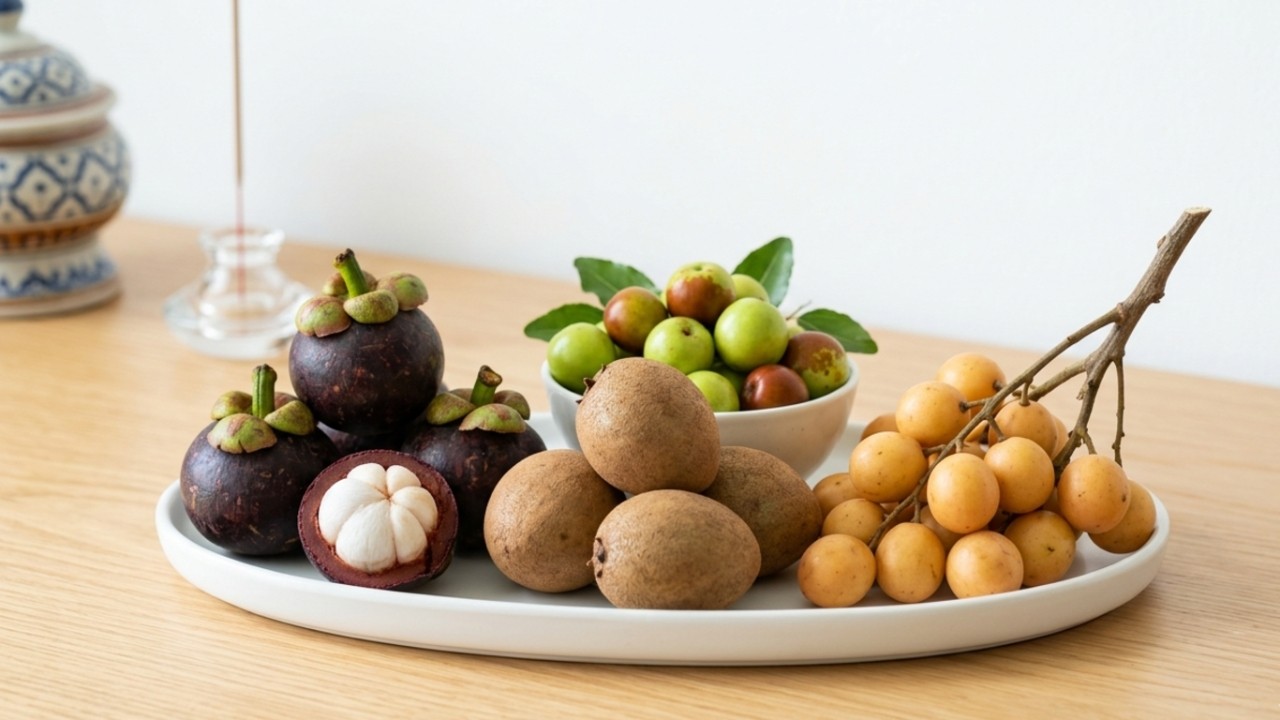
หลีกเลี่ยงผลไม้ต้องห้าม: ตามตำราความเชื่อโบราณ ผลไม้ที่ชื่อพ้องเสียงกับความหมายเชิงลบ เช่น มังคุด (คุดคู้ ไม่เจริญ) ละมุด (มุดหนี ไม่สง่า) พุทรา (ร่วงโรย) และ มะไฟ (ร้อนรุ่ม) ควรถูกตัดออกจากการเซ่นไหว้โดยเด็ดขาด เพราะจะสร้างสัญญาณพลังงานที่ขัดขวางความก้าวหน้าในชีวิตและธุรกิจ ตรงกันข้าม ควรเลือกผลไม้ที่มีความหมายมงคล เช่น ส้ม (โชคดี) กล้วย (ค้าขายคล่อง) แอปเปิล (สันติสุข) องุ่น (ความสำเร็จ) และสาลี่ (ความเจริญรุ่งเรือง) ซึ่งเป็นสัญลักษณ์ของความสมบูรณ์แบบในทุกมิติของชีวิต [แหล่งอ้างอิง: https://www.jorakay.co.th/blog/owner/other/how-to-pay-respects-to-the-house-guardian]
-
ของไหว้ต้องสมบูรณ์และสะอาด: ของไหว้ทุกชิ้นต้องซื้อมาใหม่ ไม่ช้ำ ไม่เน่าเสีย และห้ามนำของที่ชิมแล้วมาถวายเด็ดขาด เพราะถือเป็นการไม่ให้เกียรติสิ่งศักดิ์สิทธิ์ ส่งผลให้ธุรกิจติดขัด เจอแต่เรื่องสะดุด นอกจากนี้ พื้นที่ไหว้ต้องสะอาดปราศจากฝุ่นละอองและขี้เถ้าธูปล้นกระถาง เพราะในทางฮวงจุ้ย สภาพรกร้างคือการสร้าง “พลังงานลบ” ที่ขับไล่โชคลาภออกจากบ้าน การดูแลพื้นที่นี้ให้สดชื่นและเป็นระเบียบจึงเปรียบเสมือนการเปิดประตูรับสิ่งดีๆ เข้าสู่ชีวิตและทรัพย์สิน
-
เครื่องเซ่นที่ถูกต้อง: นอกจากผลไม้มงคลแล้ว ควรมีน้ำชาอุ่น ๆ ในถ้วยเล็ก (ไม่ใส่น้ำตาล) ขนมหวานมงคล เช่น ขนมเปี๊ยะ ขนมถั่วตัด และของคาว เช่น ไก่ต้ม หมูสามชั้นต้ม หรือปลา ซึ่งล้วนสื่อถึงความอุดมสมบูรณ์และความเคารพอย่างสูงสุด การวางเหรียญบาท ห้าบาท หรือสิบบาท บนพาน ก็เป็นสัญลักษณ์แห่งความร่ำรวยที่เสริมบารมีให้ผู้อยู่อาศัย
Comprehensive English Analysis: Feng Shui Mistakes That Block Prosperity
Worshiping the house guardian spirit is a deeply rooted tradition in Thai culture, but subtle mistakes in offerings can inadvertently block positive energy and wealth. For homeowners and real estate investors, understanding these nuances is key to maintaining a harmonious and prosperous living environment.
Key Feng Shui Taboos for Home Offerings
-
Avoid Fruits with Negative Connotations: According to ancient beliefs, certain fruits have names that phonetically suggest misfortune. These include Mangosteen (Mangkut – symbolizing stagnation), Sapodilla (Lamut – implying hiding from problems), Jujube (Phutsa – representing withering), and May apple (Mafai – signifying inner turmoil). These fruits are believed to create negative energy. Instead, opt for auspicious fruits like Oranges (good luck), Bananas (smooth business), Apples (peace), Grapes (success), and Pears (prosperity). [Reference: https://www.jorakay.co.th/blog/owner/other/how-to-pay-respects-to-the-house-guardian]
-
Offerings Must Be Perfect and Fresh: Never use bruised, rotten, or partially eaten food. This is considered disrespectful to the spirits and can lead to obstacles in life and business. The offering area must be kept impeccably clean. A cluttered or dusty shrine accumulates negative energy (Sha Qi), which repels wealth and good fortune according to Feng Shui principles.
-
Proper Offering Items: A complete offering includes fresh flowers (like jasmine), warm tea (unsweetened), auspicious desserts (e.g., Chinese mooncakes, peanut brittle), and savory dishes (boiled chicken, pork belly, or fish). Adding a few coins (1, 5, or 10 Baht) to the tray symbolizes wealth and reverence, enhancing the prosperity of the household.
FAQ
-
Q: What is the most critical fruit to avoid when making offerings?
A: The Mangosteen (มังคุด) is often cited as the most critical fruit to avoid because its name is a homophone for “stagnation” or “failure to thrive,” which is believed to block career and business progress. -
Q: Can I use artificial flowers for the shrine to save maintenance?
A: No. According to traditional beliefs and Feng Shui, fresh flowers symbolize vitality and pure energy. Artificial or wilted flowers represent decay and lack of life, which can attract negative energy and should be strictly avoided.