ที่มา: https://news.un.org/en/story/2026/05/1167448
ในยุคที่พลังงานสะอาดกลายเป็นหัวใจสำคัญของการพัฒนาเศรษฐกิจและสังคมระดับโลก ภูมิภาคตะวันออกกลางกำลังเผชิญกับจุดเปลี่ยนครั้งสำคัญกับการกลับมาของพลังงานนิวเคลียร์ในฐานะแหล่งพลังงานหลัก การวิเคราะห์นี้จะพาคุณไปสำรวจถึงความสมเหตุสมผลและความเสี่ยงที่ซ่อนอยู่ภายใต้การลงทุนครั้งใหญ่ของประเทศผู้นำในภูมิภาค
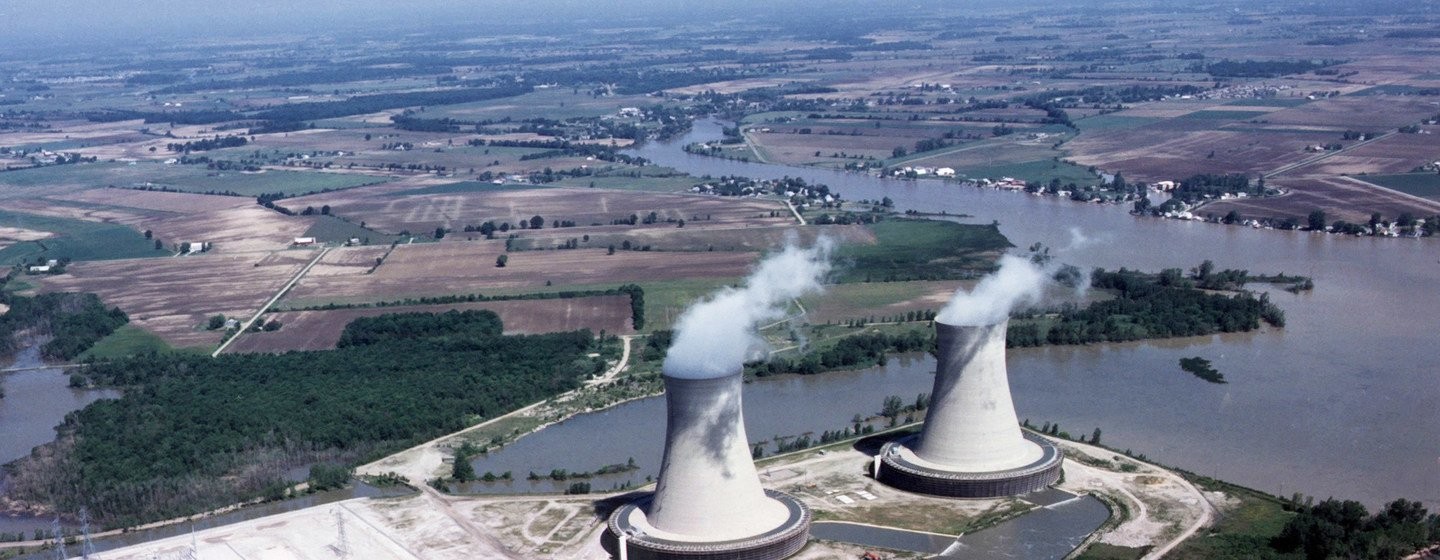
- มูลค่าทรัพย์สินและศักยภาพในการลงทุน: โครงการโรงไฟฟ้านิวเคลียร์ เช่น El Dabaa ในอียิปต์ ขนาด 4,800 เมกะวัตต์ และ Barakah ในสหรัฐอาหรับเอมิเรตส์ที่ผลิตพลังงาน 25% ของประเทศ แสดงให้เห็นถึงการลงทุนโครงสร้างพื้นฐานมูลค่ามหาศาลที่ช่วยเสริมความมั่นคงทางพลังงานและเพิ่มมูลค่าให้กับระบบสาธารณูปโภคของประเทศ ถือเป็นการสร้างเสถียรภาพระยะยาวที่ดึงดูดนักลงทุนระดับโลก
- ดีไซน์และเทคโนโลยีเพื่อการอยู่อาศัยอัจฉริยะ: การผสานพลังงานนิวเคลียร์กับโครงการพลังงานหมุนเวียน เช่น Benban Solar Park และฟาร์มกังหันลมในอ่าวสุเอซ สะท้อนแนวคิด Smart Living ที่ใช้ระบบพลังงานแบบผสมผสานเพื่อให้เกิดประสิทธิภาพสูงสุดและลดการพึ่งพาแหล่งพลังงานเดียว ซึ่งเป็นเทรนด์ที่กลุ่มคนรักความยั่งยืนให้ความสำคัญ
- แนวโน้มตลาดและความเคลื่อนไหวระดับโลก: จากการประชุม COP28 ที่ยอมรับนิวเคลียร์เป็นเทคโนโลยีปล่อยมลพิษต่ำ และมี 33 ประเทศตั้งเป้าเพิ่มกำลังผลิตนิวเคลียร์สามเท่าภายในปี 2050 ตลาดนี้กำลังขยายตัวอย่างรวดเร็ว โดยเฉพาะในตะวันออกกลางที่กำลังก้าวขึ้นเป็นศูนย์กลางพลังงานแห่งอนาคต
- ความเสี่ยงจากภูมิรัฐศาสตร์และสภาพภูมิอากาศ: แม้เทคโนโลยีเตาปฏิกรณ์แบบน้ำเบาจะปลอดภัยในแง่การแพร่ขยายนิวเคลียร์ แต่ความไม่แน่นอนทางการเมืองในรอบ 75 ปีของภูมิภาค รวมถึงภัยคุกคามจากกลุ่มรัฐและไม่ใช่รัฐ และเหตุการณ์สภาพอากาศสุดขั้ว ยังคงเป็นความท้าทายสำคัญที่ต้องมีการออกแบบระบบ Resilient หรือระบบที่มีความยืดหยุ่นสูง
ข้อสรุปสำคัญคือ การพัฒนาโรงงานผลิตเชื้อเพลิงนิวเคลียร์ในประเทศ เช่น การเสริมสมรรถนะยูเรเนียม เป็นปัจจัยที่ต้องจับตามากกว่าตัวเตาปฏิกรณ์เอง เนื่องจากอาจนำไปสู่ความเสี่ยงด้านการแพร่ขยายอาวุธนิวเคลียร์ ขณะที่ตลาดเชื้อเพลิงยูเรเนียมเสริมสมรรถนะต่ำมีจำหน่ายทั่วไปในเชิงพาณิชย์
Full English Translation
Analysis of Nuclear Energy News in the Middle East: A Realistic Choice or a Risk?
In an era where clean energy is central to global economic and social development, the Middle East is facing a pivotal moment with the resurgence of nuclear power as a primary energy source. This analysis explores the logical basis and hidden risks behind major investments by regional leaders.
- Property Value and Investment Potential: Projects like the 4,800 MW El Dabaa plant in Egypt and the Barakah plant in the UAE, which supplies 25% of the country’s energy, demonstrate massive infrastructure investments that enhance long-term national energy security and attract global investors.
- Design and Smart Living Technology: Integrating nuclear power with renewable projects like the Benban Solar Park and Gulf of Suez Wind Farm reflects a Smart Living approach using hybrid energy systems for maximum efficiency, a trend valued by sustainability-focused individuals.
- Market Trends and Global Movements: Following COP28’s recognition of nuclear as a low-emission technology and the pledge by 33 countries to triple capacity by 2050, this market is expanding rapidly, especially in the Middle East positioned as a future energy hub.
- Geopolitical and Climate Risks: While light-water reactor technology is safe from proliferation risks, the region’s political volatility over the past 75 years, along with threats from state and non-state actors and extreme weather, poses significant challenges requiring resilient system designs.
A key conclusion is that the development of domestic nuclear fuel production facilities, such as uranium enrichment plants, is a greater concern than the reactors themselves, as it could lead to weapons proliferation risks, while low-enriched uranium fuel is readily available on the commercial market.
อ้างอิง (Citation): Source: https://news.un.org/en/story/2026/05/1167448