มหันตภัยสงครามโลกครั้งที่ 2 ในสวรรค์เขตร้อน: ระเบิดยุคโบราณปนเปื้อนสิ่งแวดล้อม คุกคามสุขภาพชุมชนโซโลมอน
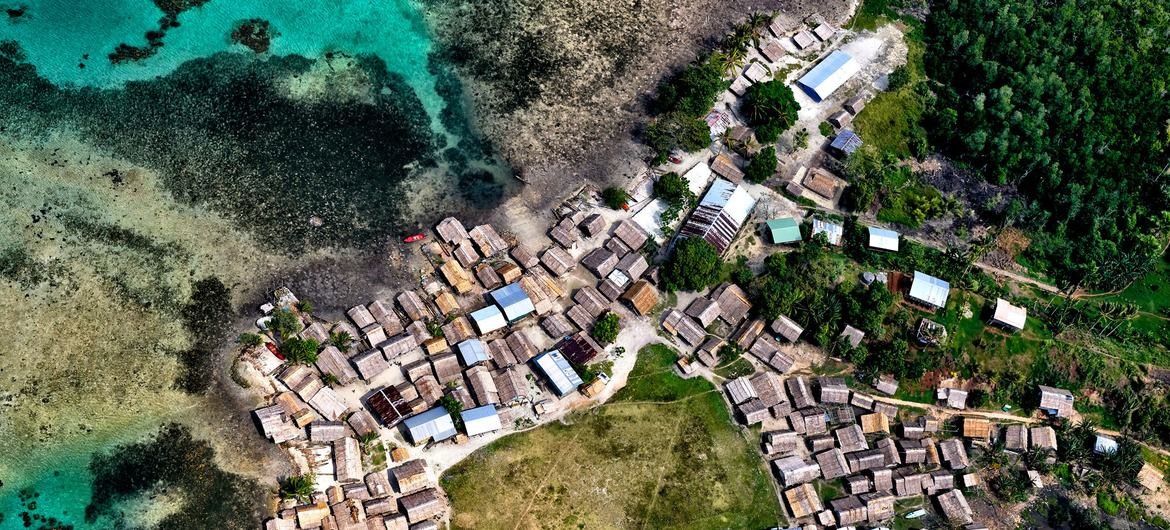
ความเงียบสงบของหมู่เกาะโซโลมอนในมหาสมุทรแปซิฟิก วันนี้กำลังเผชิญกับภัยคุกคามที่มองไม่เห็นและร้ายแรงยิ่งกว่าคลื่นยักษ์หรือพายุหมุนใดๆ นั่นคือ มรดกพิษจากสงครามโลกครั้งที่ 2 ที่ยังคงฝังตัวอยู่ใต้ผืนดินและท้องทะเล หลังจากผ่านไปนานกว่า 80 ปี ระเบิดและกระสุนที่ยังไม่ระเบิด (Unexploded Ordnance: UXO) จำนวนนับพันตันกำลังผุกร่อน ปล่อยสารเคมีและโลหะหนักรั่วไหลสู่ระบบนิเวศชายฝั่ง แหล่งน้ำจืด และห่วงโซ่อาหาร สร้างผลกระทบต่อสุขภาพของประชาชนและมูลค่าที่ดินอย่างหลีกเลี่ยงไม่ได้
ผลกระทบเชิงลึก: จากภัยสงครามสู่วิกฤตสิ่งแวดล้อมและอสังหาริมทรัพย์
สำหรับนักลงทุนและผู้อยู่อาศัยในพื้นที่ศักยภาพสูงอย่างแปซิฟิกใต้ การปนเปื้อนจาก UXO ไม่ได้เป็นเพียงปัญหาด้านความปลอดภัยเท่านั้น แต่ยังเป็นปัจจัยชี้ขาดที่ส่งผลโดยตรงต่อ เสถียรภาพของมูลค่าที่ดิน และ ความน่าดึงดูดใจในการลงทุนระยะยาว
- ภัยเงียบต่อมูลค่าที่ดิน: ที่ดินชายฝั่งและพื้นที่เกษตรกรรมซึ่งเป็นที่ต้องการสูง กำลังถูกประเมินความเสี่ยงใหม่ การค้นพบ UXO ที่ถูกพายุไซโคลนและคลื่นซัดเข้าฝั่ง (ดังที่เกิดขึ้นกับพายุไซโคลนเมลา) ทำให้เกิดการตั้งคำถามถึงความปลอดภัยของทำเลที่ตั้ง ซึ่งจะทำให้เกิดแรงกดดันต่อราคาประเมินในพื้นที่เสี่ยง
- ต้นทุนการพัฒนาและการประกันภัยที่สูงขึ้น: การพัฒนาโครงการที่อยู่อาศัยหรือรีสอร์ทระดับหรูในพื้นที่ที่มีประวัติการสู้รบในสงครามโลกครั้งที่ 2 จะต้องเผชิญกับขั้นตอนการตรวจสอบและเคลียร์พื้นที่ UXO ที่ซับซ้อนและมีค่าใช้จ่ายสูง ส่งผลให้ต้นทุนโครงการโดยรวมเพิ่มขึ้นและสร้างความล่าช้า
- ความเสี่ยงด้านสุขภาพของชุมชน: การปนเปื้อนของสารเคมีจากวัตถุระเบิด (เช่น TNT, RDX) และโลหะหนัก (เช่น ตะกั่ว, ปรอท) ลงสู่แหล่งน้ำจืดและห่วงโซ่อาหารทางทะเล เป็นภัยคุกคามร้ายแรงต่อสุขภาพของประชากรในท้องถิ่น ซึ่งเป็นแรงงานหลักในระบบเศรษฐกิจ และอาจนำไปสู่ข้อพิพาทด้านสิ่งแวดล้อมในอนาคต
- มุมมองอัจฉริยะเพื่อการใช้ชีวิตอย่างยั่งยืน: การเลือกทำเลที่อยู่อาศัยในยุคนี้ ผู้ซื้อและนักลงทุนต้องให้ความสำคัญกับประวัติการใช้ประโยชน์ของที่ดิน (Land History) การตรวจสอบทางธรณีวิทยาและประวัติศาสตร์ก่อนการซื้อขาย โดยเฉพาะในพื้นที่ที่มีความขัดแย้งทางทหารในอดีต การอยู่อาศัยในพื้นที่ที่ปลอดภัยจากมลพิษทางเคมีคือคุณภาพชีวิตที่แท้จริง
ประเด็นหลักที่คุณไม่ควรพลาด
- ที่มา: การศึกษานำโดยมหาวิทยาลัยควีนส์แลนด์ (UQ) ร่วมกับ UNDP พบว่า UXO กว่า 80% ตั้งอยู่ใกล้ชายฝั่ง และกำลังเร่งปล่อยสารพิษ
- ภัยคุกคามที่เพิ่มขึ้น: การเปลี่ยนแปลงสภาพภูมิอากาศ ทำให้เกิดพายุ คลื่นซัดฝั่ง และน้ำทะเลกัดเซาะที่รุนแรงขึ้น ซึ่งเป็นตัวเร่งให้เกิดการเปิดโปงและการกัดกร่อนของ UXO
- ผลกระทบโดยตรง: การปนเปื้อนจะถูกพัดพาเข้าสู่แหล่งน้ำ แม่น้ำ และแนวปะการัง ส่งผลกระทบต่อทรัพยากรประมงและระบบนิเวศ
- ผลลัพธ์ที่จำเป็น: การศึกษานี้เป็นหลักฐานสำคัญในการกำหนดนโยบาย การบริหารความเสี่ยง และการวางแผนฟื้นฟูในระยะยาว
คำถามที่พบบ่อย (FAQ)
Full English Translation
Title: WWII Horror in a Tropical Paradise: Ancient Bombs Contaminate Environment, Threaten Solomon Islands Communities
The quiet peace of the Solomon Islands in the South Pacific is now facing an invisible and more severe threat than any tsunami or cyclone: the toxic legacy of World War II, still buried beneath the land and sea. After more than 80 years, thousands of tons of unexploded ordnance (UXO) are corroding, leaking toxic chemicals and heavy metals into fragile coastal ecosystems, freshwater sources, and the food chain, creating unavoidable impacts on public health and property values.
In-depth Impact: From War Hazard to Environmental and Real Estate Crisis
For investors and residents in high-potential areas like the South Pacific, UXO contamination is not just a safety issue but a decisive factor directly affecting land value stability and long-term investment attractiveness.
- Silent Threat to Land Value: Highly sought-after coastal and agricultural lands are now being reassessed for risk. The discovery of UXO washed ashore by cyclones (as seen with Cyclone Maila) raises questions about location safety, which will put downward pressure on appraised prices in vulnerable areas.
- Higher Development and Insurance Costs: Developing luxury residential or resort projects in areas with a history of WWII combat will face complex and expensive UXO clearance procedures, significantly increasing overall project costs and causing delays.
- Community Health Risks: Contamination from explosive compounds (e.g., TNT, RDX) and heavy metals (e.g., lead, mercury) into freshwater and marine food chains poses a serious threat to the local population, which serves as the primary workforce and can lead to future environmental disputes.
- A Smart Perspective for Sustainable Living: In the modern era of real estate selection, buyers and investors must prioritize land use history (Land History), conducting geological and historical checks before purchase, especially in areas of past military conflict. Living in a zone free from chemical pollution is true quality of life.
Key Points You Should Not Miss
- Origin: A study led by the University of Queensland (UQ) in partnership with UNDP found that over 80% of UXO sites are located near coastlines and are accelerating the release of toxins.
- Intensifying Threat: Climate change is generating stronger storms, storm surges, and coastal erosion, which are catalysts for exposing and corroding UXO.
- Direct Impact: Contamination is carried into rivers, wells, and coral reefs, affecting fisheries and ecosystems.
- Necessary Outcome: This study provides critical evidence for policy making, risk management, and long-term remediation planning.