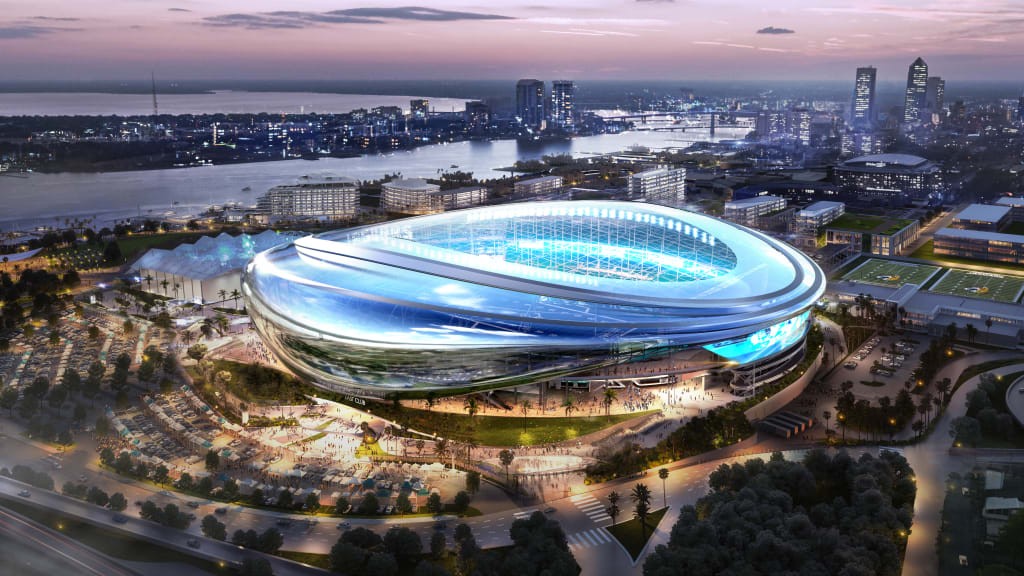
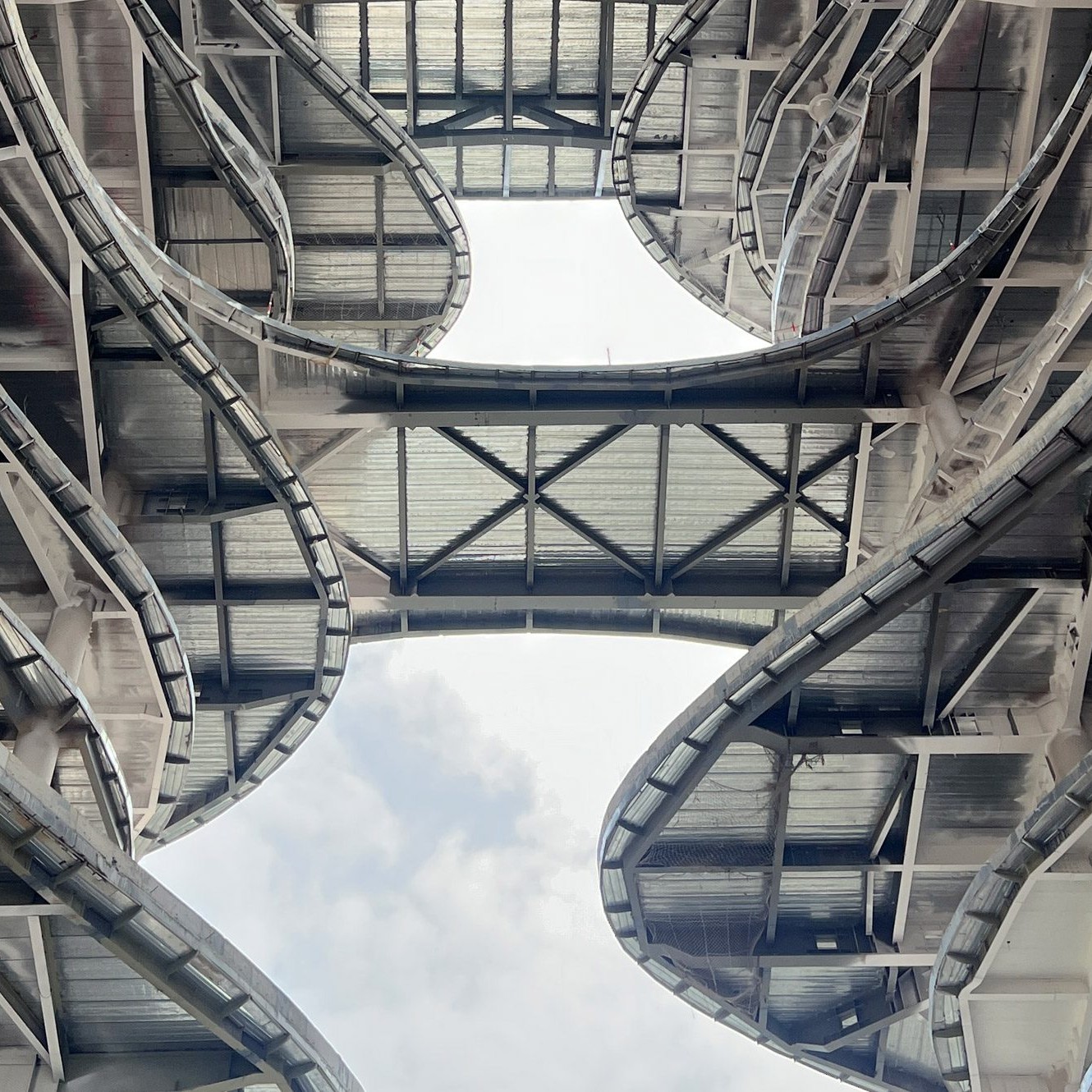
สัมภาษณ์พิเศษจาก Dezeen In Depth เผยถึงอนาคตของพารามิทริกซิสม์ (Parametricism) ซึ่งเป็นทฤษฎีทางสถาปัตยกรรมที่ถูกกล่าวขานว่าเป็นสไตล์แห่งศตวรรษที่ 21 แม้แนวคิดนี้จะเปลี่ยนโฉมหน้าวงการออกแบบไปอย่างมาก แต่กลับยังไม่สามารถสร้างการเปลี่ยนแปลงในระดับตัวอาคารได้อย่างแท้จริง
- ทำไมพารามิทริกซิสม์ถึงยังไม่ถูกนำไปใช้อย่างแพร่หลาย? Patrik Schumacher ตัวแทนจาก Zaha Hadid Architects เปิดเผยว่าเขารู้สึกไม่พอใจกับอัตราการยอมรับทฤษฎีนี้ที่ช้าเกินไป
- ความขัดแย้งของทฤษฎี: แม้จะถูกมองว่าเป็นสถาปัตยกรรมแห่งลัทธิเสรีนิยมใหม่ แต่พารามิทริกซิสม์กลับถูกวิพากษ์วิจารณ์ว่าสร้างความเหลื่อมล้ำทางสังคมผ่านโครงสร้างที่ต้องใช้ทรัพยากรอย่างมหาศาล
- มุมมองจากผู้เชี่ยวชาญ: Owen Hopkins ชี้ว่าสังคมที่ซับซ้อนและแตกแยกมากขึ้นต้องการสถาปัตยกรรมที่สะท้อนความหลากหลายนี้ แม้พารามิทริกซิสม์จะสร้างอาคารที่ยอดเยี่ยมได้ แต่เราไม่อยากใช้ชีวิตในโลกที่ถูกครอบงำด้วยรูปแบบเดียว
บทวิเคราะห์เชิงลึก: คุณค่าและทิศทางของพารามิทริกซิสม์ในมุมมองอสังหาริมทรัพย์หรู
การที่ Dezeen เจาะลึกถึงพารามิทริกซิสม์ในครั้งนี้ สะท้อนถึงจุดเปลี่ยนสำคัญของวงการสถาปัตยกรรมระดับโลก ซึ่งส่งผลโดยตรงต่อตลาดอสังหาริมทรัพย์หรู ในฐานะผู้เชี่ยวชาญด้านอสังหาริมทรัพย์ระดับไฮเอนด์ เรามองเห็นโอกาสและความท้าทายดังนี้
-
คุณค่าทางทรัพย์สิน (Property Value): อาคารที่ออกแบบด้วยแนวคิดพารามิทริกซิสม์ โดยเฉพาะจากสำนักงานอย่าง Zaha Hadid Architects มีแนวโน้มที่จะมีมูลค่าทางศิลปะและการลงทุนสูง เนื่องจากรูปทรงที่ลื่นไหลและไม่ซ้ำใครกลายเป็น “ชิ้นงานศิลปะที่อยู่อาศัยได้” (Habitable Art) ซึ่งเป็นจุดขายสำคัญสำหรับนักสะสมและผู้มีฐานะที่มองหาความเป็นเอกลักษณ์เหนือกว่าทรัพย์สินทั่วไป
-
สุนทรียศาสตร์แห่งการออกแบบ (Design Aesthetics): ความงามของพารามิทริกซิสม์ไม่ได้อยู่ที่ความโค้งมนเท่านั้น แต่อยู่ที่การใช้เทคโนโลยีอัลกอริทึมเพื่อสร้างพื้นที่ที่ตอบสนองต่อสภาพแวดล้อมและการใช้งานได้อย่างแม่นยำ ซึ่งสอดคล้องกับแนวคิด Smart Living ที่แท้จริง เพราะทุกเส้นโค้ง ทุกมุมถูกคำนวณมาเพื่อเพิ่มประสิทธิภาพในการใช้สอย แสงธรรมชาติ และการระบายอากาศ
-
แนวโน้มตลาด (Market Trends): แม้จะมีการวิพากษ์วิจารณ์ในแง่ของต้นทุนและความยั่งยืน แต่กระแสของการปรับแต่งเฉพาะบุคคล (Customization) ในกลุ่มลูกค้าซูเปอร์ไฮเอนด์กำลังเพิ่มสูงขึ้น พารามิทริกซิสม์เป็นเครื่องมือที่สมบูรณ์แบบในการสร้างบ้านหรือโครงการที่ตอบโจทย์ความต้องการเฉพาะบุคคลได้อย่างไม่จำกัด ซึ่งเป็นเทรนด์ที่จะยิ่งทวีความสำคัญมากขึ้นในอีก 5-10 ปีข้างหน้า
-
การอยู่อาศัยอัจฉริยะ (Smart Living): หัวใจสำคัญของพารามิทริกซิสม์คือการ “ปรับตัว” (Adaptive) ซึ่งเป็นพื้นฐานของบ้านอัจฉริยะในอนาคต ไม่ใช่แค่ façade ที่สวยงาม แต่คือระบบที่ซ่อนอยู่ภายใน ที่สามารถเปลี่ยนรูปหรือตอบสนองต่อสภาวะแวดล้อมได้โดยอัตโนมัติ ซึ่งถือเป็นนิยามใหม่ของความหรูหราที่ไม่ใช่แค่ความมั่งคั่ง แต่คือประสบการณ์การใช้ชีวิตที่เหนือระดับ
คำถามที่พบบ่อย (FAQs)
Full English Translation
Dezeen In Depth explores the possibility of a parametric future: When theory changed the face of architecture but hasn’t yet transformed the buildings.
Exclusive interview from Dezeen In Depth reveals the future of Parametricism, the architectural theory touted as the defining style of the 21st century. While this concept has significantly transformed the design world, it has yet to create tangible changes at the building level.
Why hasn’t Parametricism been widely adopted? Patrik Schumacher from Zaha Hadid Architects admits he is “not happy” with the slow adoption rate of this theory.
The contradiction of the theory: Even though it is viewed as the architecture of neoliberalism, Parametricism is criticized for widening social inequality through structures requiring massive resources.
An expert’s perspective: Owen Hopkins points out that an increasingly complex and fragmented society requires architecture that reflects this variability. While Parametricism can create great buildings, we wouldn’t want to live in a world dominated by a single style.
Deep Analysis: Value and Direction of Parametricism from a Luxury Real Estate Perspective
Dezeen’s deep dive into Parametricism marks a significant turning point in global architecture, directly impacting the luxury real estate market. As high-end property experts, we see opportunities and challenges as follows:
- Property Value: Buildings designed with Parametricism, especially by firms like Zaha Hadid Architects, tend to have high artistic and investment value. Their fluid, unique forms become “Habitable Art,” a key selling point for collectors and affluent individuals seeking uniqueness.
- Design Aesthetics: The beauty of Parametricism lies not just in curves, but in using algorithms to create spaces precisely responsive to the environment and usage. This aligns with true Smart Living, as every curve and angle is calculated to optimize functionality, natural light, and ventilation.
- Market Trends: Despite criticism regarding cost and sustainability, the trend for hyper-customization among ultra-high-net-worth clients is rising. Parametricism is a perfect tool to create homes or projects that uniquely meet specific needs—a trend that will become increasingly important in the next 5-10 years.
- Smart Living: The core of Parametricism is “adaptiveness,” the fundamental basis for future smart homes. It’s not just about a beautiful façade, but a hidden system that can automatically morph or respond to environmental conditions. This redefines luxury not merely as wealth, but as a superior living experience.
Frequently Asked Questions (FAQs)
Q1: How will Parametricism affect future real estate values?
A: Buildings designed with Parametricism, especially by world-renowned architects, are likely to appreciate in value over the long term due to their rarity and artistic nature. However, high construction and maintenance costs are factors to consider, particularly in markets not focused on extreme individuality.
Q2: Does Parametricism align with ‘Smart Living’?
A: Deeply. The core of Parametricism is using algorithms to create forms responsive to data and the environment. This is the true foundation of Smart Living, from managing light and shadow to adapting living spaces in real-time based on occupant behavior.
Citation Link:
Read the full article: https://www.dezeen.com/2026/05/30/parametricism-architecture-feature-dezeen-in-depth