Lebanon: 1 in 4 faces acute hunger – A hidden crisis shaping the future of real estate
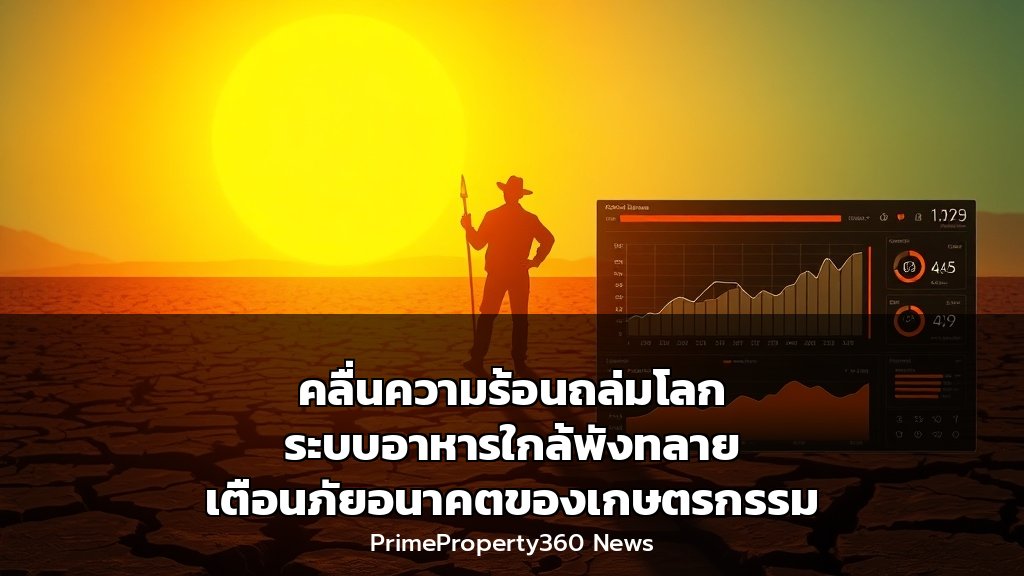
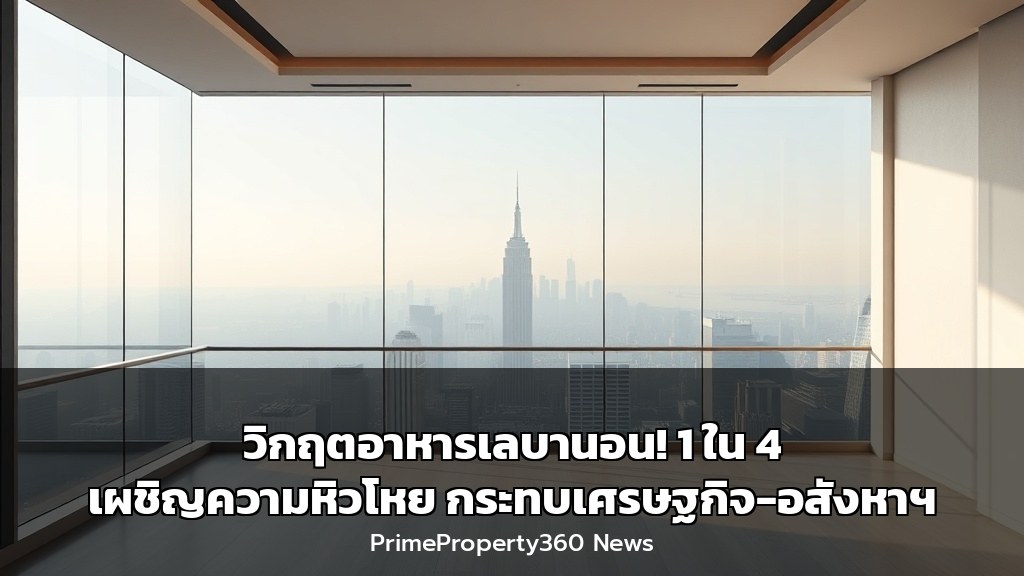
While headline news often focuses on geopolitical tensions, a more subtle, persistent crisis is reshaping the foundations of the Lebanese economy and, by extension, its luxury property market. According to the United Nations, a staggering 1.2 million people in Lebanon are projected to face high levels of acute food insecurity between now and August 2026. This represents a substantial increase from the 874,000 affected between late 2025 and early 2026.
The analysis, conducted by the Integrated Food Security Phase Classification (IPC), reveals a devastating breakdown: 725,000 Lebanese residents are in “crisis” conditions, forced to sell assets for food. This is compounded by over 460,000 Syrian and Palestinian refugees and 50,000 new arrivals from Syria.
Impact on the Luxury Real Estate Market
For the luxury real estate sector, this is not just a humanitarian story; it is a market indicator. A population forced to liquidate assets to buy food creates a unique dynamic:
- Distressed Sales: We will likely see a gradual increase in distressed property sales, particularly among the middle and upper-middle class who own multiple properties. This could create opportunities for cash-rich investors.
- Shift in Demand: The focus of ultra-high-net-worth individuals (UHNWIs) will shift from pure aesthetic value to properties offering self-sufficiency. Developments with private food production, advanced water security systems, and robust backup energy solutions will command a premium.
- Safe Haven Asset: Real estate in prime, secure locations (like Beirut’s Ashrafieh or Broumana) will maintain its role as a safe haven. However, the buyer profile will become more selective, prioritizing long-term stability over short-term speculation.
- Design Aesthetics: We will see a rise in “functional luxury” – design that integrates smart home technology for resource management (energy, water, air quality) without sacrificing aesthetic elegance. The modern professional buyer demands a property that is both a sanctuary and an intelligent fortress.
Market Trends and Smart Living
The crisis is accelerating the adoption of smart living solutions in high-end projects. Features such as:
– Smart water management systems
– Integrated solar power batteries
– Advanced air filtration
– Automated climate control
…are no longer luxuries but necessities. The property of the future in Lebanon must be a self-contained ecosystem. This aligns with global trends where wealth is increasingly tied to resilience.
FAQ
Q1: How will the food crisis affect property prices in Beirut’s prime districts?
A1: While we do not predict a dramatic crash in the ultra-luxury segment, we expect a softening in secondary properties. Prime districts like Ashrafieh, Gemmayzeh, and Broumana will see price stability due to their status as safe havens. However, sellers requiring rapid liquidity may offer discounts of 10-15% on less liquid assets. The overall trend is a flight to quality and security.
Q2: Should I consider buying a property in Lebanon now, given the crisis?
A2: For the sophisticated investor, yes, but with a specific strategy. Focus on newly built or renovated properties with modern smart-living certifications in stable, high-altitude areas. Avoid older buildings with high maintenance costs. The current market offers a rare opportunity to acquire assets at a potential entry point, provided you are positioned for a long-term hold of 5-10 years. The fundamentals of Lebanese real estate—location, views, and land scarcity—remain intact.
Reference: