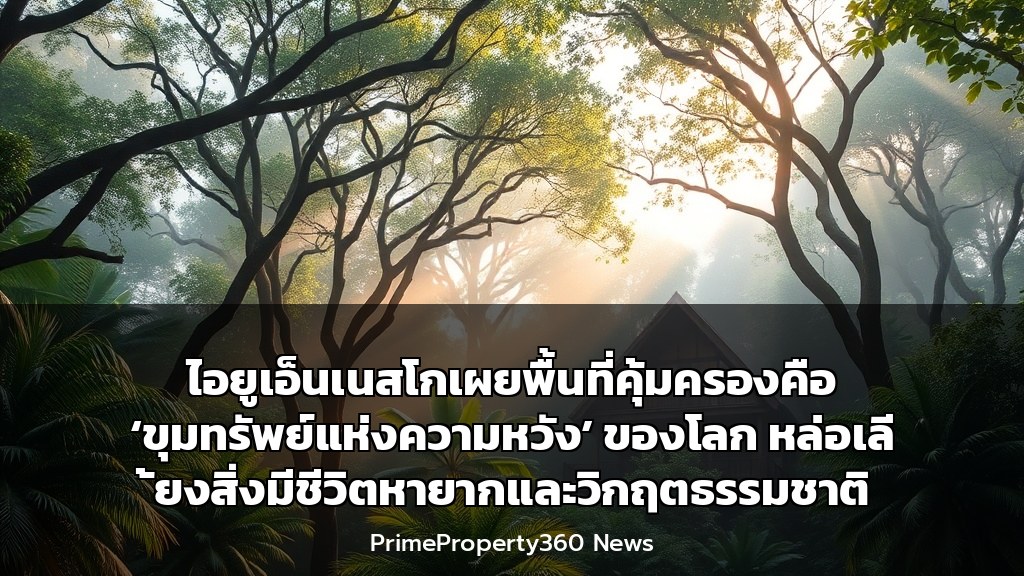
วิกฤตธรรมชาติกำลังทวีความรุนแรงขึ้นทั่วโลก แต่รายงานชิ้นสำคัญจาก UNESCO ที่เผยแพร่เมื่อเดือนเมษายน 2026 กลับแสดงให้เห็นสัญญาณแห่งความหวังที่ชัดเจน แหล่งมรดกโลกและพื้นที่คุ้มครองภายใต้การดูแลขององค์การสหประชาชาติแห่งนี้กำลังทำหน้าที่เป็น ‘ป้อมปราการแห่งความหลากหลายทางชีวภาพ’ อย่างแท้จริง โดยมีสัตว์และพืชหายากกว่า 40% ที่พบได้เฉพาะในพื้นที่เหล่านี้เท่านั้น สำหรับนักลงทุนอสังหาริมทรัพย์ระดับพรีเมียม ข้อมูลนี้เน้นย้ำว่าทรัพย์สินที่ตั้งอยู่ใกล้หรือภายในพื้นที่สีเขียวที่ได้รับการรับรองระดับโลกไม่ได้เป็นเพียงที่อยู่อาศัย แต่คือการลงทุนในระบบนิเวศที่มีคุณค่าสูงและยั่งยืนอย่างแท้จริง
เจาะลึกข้อมูลสำคัญ
จากรายงาน People and Nature in UNESCO-Designated Sites ซึ่งเป็นผลงานชิ้นแรกที่วิเคราะห์เครือข่ายพื้นที่คุ้มครองกว่า 2,260 แห่งทั่วโลก ครอบคลุมพื้นที่มากกว่า 13 ล้านตารางกิโลเมตร (ใหญ่กว่าจีนและอินเดียรวมกัน) มีข้อค้นพบที่โดดเด่นดังนี้:
- ความหลากหลายทางชีวภาพที่เข้มข้น: พื้นที่เหล่านี้เป็นบ้านของสิ่งมีชีวิตที่ถูกจัดทำแผนที่ทั่วโลกมากกว่า 60% และในจำนวนนี้ 40% ไม่มีอยู่ที่อื่นใดบนโลก หากปราศจากการคุ้มครอง สิ่งมีชีวิตเหล่านี้จะสูญพันธุ์
- แหล่งกักเก็บคาร์บอนขนาดมหึมา: UNESCO sites กักเก็บคาร์บอนประมาณ 240 กิกะตัน ซึ่งเทียบเท่ากับการปล่อยก๊าซเรือนกระจกทั่วโลกในช่วงเวลาเกือบ 2 ทศวรรษ
- ความมั่นคงของประชากรสัตว์ป่า: ในขณะที่ประชากรสัตว์ป่าทั่วโลกลดลงถึง 73% ตั้งแต่ปี 1970 แต่สัตว์ป่าในพื้นที่คุ้มครองของ UNESCO กลับมีเสถียรภาพ หรือในหลายพื้นที่เริ่มฟื้นตัว เช่น ประชากรกอริลลาภูเขาในพื้นที่ที่เคยได้รับผลกระทบจากความขัดแย้ง
- มูลค่าทางเศรษฐกิจและการลงทุน: UNESCO Director-General Khaled El-Enany กล่าวว่า “ข้อมูลชัดเจน: พื้นที่ของ UNESCO กำลังส่งมอบประโยชน์ทั้งต่อผู้คนและธรรมชาติ” การอนุรักษ์ที่เข้มแข็งสร้างความน่าสนใจให้กับอสังหาริมทรัพย์ใกล้เคียง ทั้งในแง่ของภูมิทัศน์ ความเป็นส่วนตัว และคุณภาพชีวิต
แนวโน้มตลาดสำหรับที่อยู่อาศัยระดับหรู
สำหรับตลาดอสังหาริมทรัพย์ระดับไฮเอนด์ โดยเฉพาะในเอเชีย การมีโครงการที่ตั้งอยู่ใกล้กับพื้นที่สีเขียวที่ได้รับการรับรอง เช่น เขตสงวนชีวมณฑล (Biosphere Reserves) หรืออุทยานมรดกโลก (World Heritage Sites) กำลังกลายมาเป็นจุดขายที่ทรงพลัง นักลงทุนที่มองหาทรัพย์สินที่มีเอกลักษณ์และสามารถรักษามูลค่าในระยะยาว จำเป็นต้องเข้าใจว่า:
- ความยั่งยืนคือความหรูหราแบบใหม่: บ้านที่ออกแบบให้สอดคล้องกับธรรมชาติในพื้นที่คุ้มครอง ไม่เพียงแต่ช่วยลดผลกระทบต่อสิ่งแวดล้อม แต่ยังเพิ่มความต้องการจากผู้ซื้อที่มองหาประสบการณ์การใช้ชีวิตที่เปี่ยมด้วยคุณค่า
- มูลค่าที่ดินสูงขึ้นตามธรรมชาติ: ความหายากของพื้นที่สีเขียวดังกล่าวส่งผลให้ที่ดินในบริเวณใกล้เคียงมีแนวโน้มเพิ่มมูลค่า โดยเฉพาะเมื่อเทียบกับอัตราการลดลงของพื้นที่ป่าทั่วโลก
- Smart Living ในป้อมปราการธรรมชาติ: การพัฒนาเทคโนโลยีอัจฉริยะในบ้าน เช่น ระบบจัดการพลังงานและน้ำ ที่สอดคล้องกับนโยบายของ UNESCO จะช่วยยกระดับความน่าสนใจให้กับโครงการ
FAQ: คำถามที่พบบ่อย
-
พื้นที่คุ้มครอง UNESCO มีผลต่อมูลค่าอสังหาริมทรัพย์ในระยะยาวอย่างไร?
การศึกษาจากหลายแหล่งแสดงให้เห็นว่า อสังหาริมทรัพย์ที่ตั้งอยู่ใกล้หรืออยู่ในพื้นที่ที่ได้รับการรับรองจาก UNESCO มักมีแนวโน้มรักษามูลค่าได้ดีกว่า เนื่องจากเป็นที่ดินที่หายาก มีกฎหมายคุ้มครองสิ่งแวดล้อมที่เข้มงวด ทำให้ทัศนียภาพและระบบนิเวศคงอยู่อย่างยั่งยืน ซึ่งเป็นปัจจัยดึงดูดผู้ซื้อระดับสูง -
การลงทุนในบ้านใกล้พื้นที่ UNESCO จำเป็นต้องกังวลเรื่องข้อจำกัดในการก่อสร้างหรือไม่?
ใช่ ข้อจำกัดด้านสิ่งแวดล้อมมีสูง แต่หากได้รับการออกแบบโดยคำนึงถึงความกลมกลืนกับธรรมชาติ (เช่น การใช้วัสดุท้องถิ่น ระบบระบายน้ำที่เป็นมิตร) โครงการเหล่านี้จะได้รับการยอมรับและอาจได้รับสิทธิประโยชน์ด้านภาษีหรือการส่งเสริมจากท้องถิ่น
Full English Article: A Fortress of Hope in a World in Crisis
While the global drumbeat of environmental loss grows louder, a landmark report from UNESCO, released in April 2026, reveals a rare and powerful glimmer of hope. The report, People and Nature in UNESCO-Designated Sites, paints a picture of resilience: despite a staggering 73% decline in global wildlife since the 1970s, life within UNESCO’s protected territories is holding its ground.
These 2,260 sites, spanning over 13 million square kilometers (larger than China and India combined), are home to more than 60% of all mapped species on Earth. Crucially, four out of every ten species found within these borders exist nowhere else. If these habitats vanish, those creatures are gone forever.
“The findings are clear: UNESCO sites are delivering for both people and nature,” says UNESCO Director-General Khaled El-Enany. “Inside these territories, communities thrive, humanity’s heritage endures, and biodiversity is holding on while it collapses elsewhere.”
This network also stores an estimated 240 gigatons of carbon—equivalent to nearly two decades of current global emissions. Their forests alone absorb roughly 15% of the carbon absorbed by all forests worldwide each year. For luxury real estate investors, this data underscores that properties nestled within or near these natural fortresses are not just homes; they are rare investments in a stable, thriving ecosystem.
Market Trends & Smart Living
In the high-end real estate market, particularly in Asia, proximity to a UNESCO Biosphere Reserve or World Heritage Site has become a premium selling point. Design that harmonizes with nature—smart water management, passive cooling, and local materials—is no longer optional; it is the new standard for luxury. This approach not only respects the stringent environmental regulations but also ensures long-term value appreciation, as the scarcity of such protected green spaces only increases with time.
Reference: UN News – Nature’s last strongholds: Why UNESCO sites are a lifeline for a planet in peril
FAQ (2 Items)
-
How do UNESCO protected areas affect long-term property values?
Multiple studies indicate that real estate near UNESCO-designated sites tends to hold value better due to the rarity of the land, strict environmental protections that preserve views and ecosystems, and the high demand from discerning buyers seeking a sustainable lifestyle. -
Are there restrictions on building near a UNESCO site?
Yes, environmental regulations are typically stringent. However, with a design-focused approach—using eco-friendly materials, low-impact construction, and smart technology—developers can create premium residences that are not only compliant but also eligible for local incentives and tax benefits.