Introduction (ภาษาไทย)
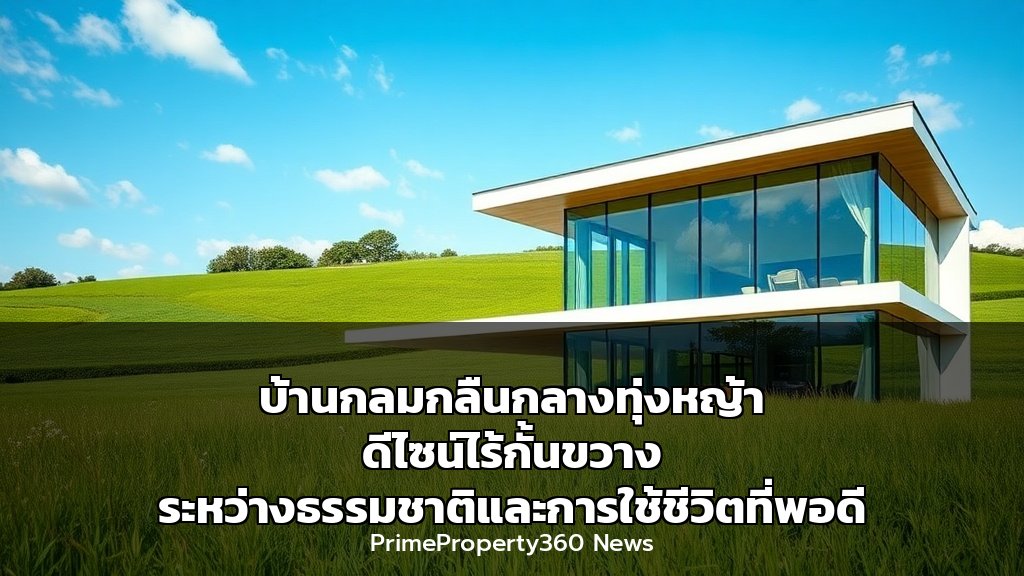
บนผืนดินที่เคยเป็นคอกสัตว์และเพิงพักเกษตรกรรม ณ กลางทุ่งหญ้าเขียวขจีและแนวป่าไม้สุดลูกหูลูกตา “ทีมตันโบ” ได้รังสรรค์บ้านพักอาศัยที่ไม่ใช่แค่ “บ้าน” แต่เป็นบทสนทนาระหว่างมนุษย์กับธรรมชาติ คู่สามีภรรยาที่ไม่มีบุตรต้องการพื้นที่ใช้สอยที่พอดี ไม่ใหญ่โตเกินความจำเป็น โดยแบ่งโซนหลักออกเป็นเพียง 3 ส่วน คือ พักผ่อน นอน และรับประทานอาหาร ความท้าทายในการออกแบบครั้งนี้คือการสร้างสมดุลระหว่างฟังก์ชันการใช้งานที่ต่ำต้อยแต่ทรงพลัง กับทัศนียภาพอันกว้างใหญ่ ด้วยแนวคิด “Living with the Meadow” บ้านหลังนี้กลายเป็นสัญลักษณ์ของการใช้ชีวิตที่เรียบง่ายแต่หรูหรา โดยทุกตารางนิ้วถูกคิดมาอย่างดีเพื่อให้ผู้อยู่อาศัยเชื่อมต่อกับธรรมชาติโดยไม่รบกวนธรรมชาติ
Deep Dive Analysis (ภาษาไทย)
- มูลค่าทรัพย์สินและแนวโน้มตลาด: ดีไซน์นี้ตอบโจทย์เทรนด์ “Luxury Minimalism” ซึ่งเป็นที่นิยมอย่างมากในกลุ่มนักลงทุนอสังหาฯ ระดับไฮเอนด์ การใช้พื้นที่อย่างคุ้มค่า แม้จะไม่ใหญ่โตแต่ให้ความรู้สึก “กว้าง” ด้วยการเชื่อมต่อระหว่างภายในและภายนอก ทำให้มูลค่าทรัพย์สินสูงขึ้นจากการออกแบบที่ “พอดี” มากกว่าการขยายพื้นที่โดยไม่จำเป็น ซึ่งเป็นแนวทางที่นักพัฒนาอสังหาฯ ยุคใหม่ควรจับตามอง
- สุนทรียภาพและการออกแบบ: การเลือกใช้กระจกใสไร้กรอบเพื่อรับวิวทุ่งหญ้าโดยตรง ผสานกับโครงสร้างคอนกรีตสีเรียบที่ดูโฉบเฉี่ยว ช่วยให้ตัวบ้านกลืนไปกับภูมิทัศน์โดยไม่เด่นเกินไป การแบ่งฟังก์ชันเป็น 3 ส่วน (Living, Sleeping, Eating) แบบ “Open Plan” ทำให้เกิดการไหลเวียนของพื้นที่อย่างอิสระ สร้างความรู้สึกโปร่งโล่ง ซึ่งเป็นหัวใจของ “Smart Living”
- Smart Living ในยุคใหม่: แนวคิด “ไม่ต้องการบ้านที่ใหญ่เกินจำเป็น” เป็นตัวอย่างของ Sustainable Living ที่แท้จริง การออกแบบเน้นการใช้แสงธรรมชาติและการระบายอากาศตามธรรมชาติ ช่วยลดการใช้พลังงาน โดยไม่ลดทอนความหรูหราและความสะดวกสบาย นับเป็นโซลูชันที่ยั่งยืนทั้งในด้านเศรษฐกิจและสิ่งแวดล้อม
Full Comprehensive Article in English
Nestled on a former farm plot, once occupied by humble sheds and stables, the “House in the Meadow” by Team Tonbo stands as a masterclass in modern, mindful architecture. The design brief was as pure as the landscape: a childless couple desired a home that was not excessively large, but perfectly adequate. Their program was divided into just three distinct yet fluid zones: living, sleeping, and eating.
The result is a structure that does not dominate the meadow, but rather converses with it. The architectural strategy prioritizes a seamless visual and physical connection to the surrounding woodlands and open fields. This approach directly influences property value, as buyers in the luxury market increasingly seek “asset-light, experience-rich” homes. The design capitalizes on the “less is more” philosophy, proving that exclusivity and comfort are not defined by square footage, but by the quality of space and its relationship with the environment.
From a design aesthetic perspective, the house employs a refined palette of raw concrete, timber, and expansive glass. The glazing acts as a transparent wall, erasing the boundary between the interior and the natural scenery. This “dematerialization” of the facade is a hallmark of contemporary luxury, creating an ever-changing artwork from the meadow itself. The open-plan layout linking the three core functions ensures a democratic flow of space, encouraging a lifestyle of movement and connectivity—a true embodiment of Smart Living.
The project also sets a new standard for sustainable market trends. By consciously avoiding unnecessary size, Team Tonbo minimized the carbon footprint and building costs, while maximizing the experiential value. This aligns perfectly with the current trajectory of high-end real estate, where environmental consciousness and sophisticated design go hand-in-hand.
FAQ
Q: How does the “House in the Meadow” increase its property value despite being smaller than average luxury homes?
A: The value is driven by its “Premium Minimalism” design and prime natural location. The strategic use of glass and open-plan layout creates a sense of vastness, while the high-quality materials and flawless integration with the landscape offer rarity and architectural significance that outweigh pure square footage.
Q: What makes this design a “Smart Living” solution beyond just technology?
A: Smart Living here refers to the intelligent use of space and resources. The design promotes passive solar heating, natural ventilation, and a deep connection to the environment, reducing reliance on mechanical systems. It prioritizes well-being and efficiency through thoughtful spatial planning rather than just gadgets.
Reference:
For more insights into minimalist architecture in natural settings, see this analysis from ArchDaily.