การสื่อสารคือรากฐานของบ้านในฝัน
เมื่อพูดถึงการสร้างบ้านหรูสักหลัง หลายคนนึกถึงดีไซน์ที่สวยงาม วัสดุชั้นเลิศ หรือสมาร์ทโฮมล้ำสมัย แต่สิ่งสำคัญที่มองไม่เห็นด้วยตาแต่ทรงพลังยิ่งกว่าคือ “การสื่อสาร” งานวิจัยชี้ชัดว่า 96% ของผู้มีส่วนได้เสียในโครงการเห็นพ้องว่าการสื่อสารที่มีประสิทธิภาพคือหัวใจของความสำเร็จ ในโลกของอสังหาริมทรัพย์ระดับสูง การสื่อสารที่ดีไม่ได้แปลว่าสถาปนิกมีฝีมือวาดแบบเก่งเท่านั้น แต่รวมถึงการแปล “ความฝันและความรู้สึก” ของเจ้าของบ้านให้กลายเป็นแบบทางเทคนิคที่ชัดเจน เพราะเมื่อใดที่ภาษาของคนออกแบบกับคนอยู่จริงไม่ตรงกัน บ้านที่สร้างขึ้นอาจไม่ใช่ “บ้าน” ที่เจ้าของนึกฝันไว้
เจาะลึก : เมื่อภาษาแตก เสน่ห์บ้านหรูก็หาย
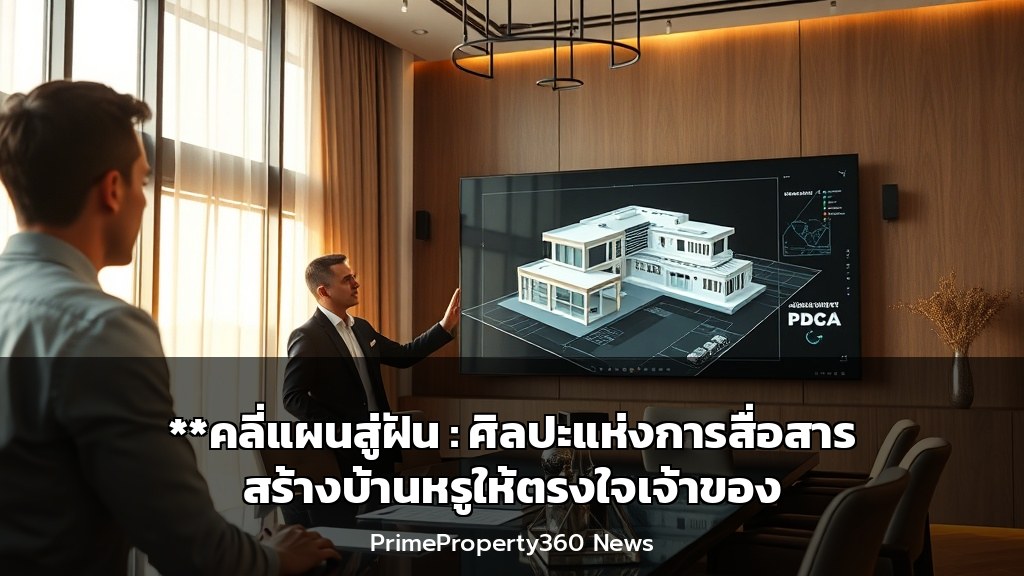
ความล้มเหลวของโครงการพรีเมียมหลายแห่งไม่ได้เกิดจากฝีมือช่าง หรืองบประมาณไม่พอ แต่เกิดจาก “สะพานสื่อสาร” ที่ขาดตอน ลองนึกภาพเจ้าของบ้านที่บรรยายว่าอยากได้ “บรรยากาศสบายๆ อบอุ่น” แต่สถาปนิกตีความเป็น “พื้นที่เปิดโล่งด้วยคอนกรีตเปลือย” ผลลัพธ์ที่ได้อาจตึงเครียดและไม่ตอบโจทย์ทางอารมณ์ (Emotional Value) นี่คือเหตุผลที่วงการอสังหาริมทรัพย์หรูในปัจจุบันให้ความสำคัญกับเครื่องมือภาพ (Visual Tools) มากขึ้น เช่น การใช้ BIM (Building Information Modeling) หรือ Diagramming Tools ซึ่งถึง 96% ของบริษัทสถาปนิกชั้นนำนำมาใช้แล้ว แต่เครื่องมือเหล่านี้จะไร้ค่าหากขาด “การสื่อสารสองทาง” ที่แท้จริง
แนวโน้มตลาด : เทคโนโลยีสร้างความโปร่งใส สร้างมูลค่าเพิ่ม
ในยุคที่ลูกค้าคาดหวังประสบการณ์ไร้รอยต่อ ผู้พัฒนาอสังหาริมทรัพย์ระดับไฮเอนด์เริ่มนำระบบติดตามความคืบหน้าแบบ Real-time มาใช้ เช่น การอัปเดตภาพถ่ายและวิดีโอระหว่างการก่อสร้าง ซึ่งไม่เพียงช่วยลดความวิตกกังวลของเจ้าของบ้าน แต่ยังสร้าง “ความรู้สึกเป็นเจ้าของ” (Sense of Ownership) ตั้งแต่ยังไม่เข้าอยู่ โซลูชันเช่น Bridge for Design Collaboration ช่วยเพิ่มประสิทธิภาพการทำงานของทีมงาน โดย 60% ของผู้รับเหมาชั้นนำยอมรับว่าปัญหาการสื่อสารและคุณภาพเอกสารส่งผลโดยตรงต่อผลิตภาพของแรงงาน การลงทุนในระบบจัดการโครงการที่ดีจึงเท่ากับลงทุนใน “คุณค่าที่จับต้องไม่ได้” ซึ่งสะท้อนออกมาเป็นความพึงพอใจของลูกค้า และสุดท้ายคือ “มูลค่าทรัพย์สิน” ที่สูงขึ้นในระยะยาว
บทสรุป : สมาร์ทลิฟวิ่งเริ่มต้นที่สมาร์ทคอมมิวนิเคชัน
บ้านหรูไม่ใช่แค่งานดีไซน์หรือวัสดุราคาแพง แต่คือผลลัพธ์ของ “ความเข้าใจ” ที่ตรงกันระหว่างผู้สร้างและผู้อยู่ เทคโนโลยีเป็นเพียงเครื่องมือช่วยแปลภาษาให้ตรงกัน แต่หัวใจสำคัญคือการสร้างประสบการณ์ที่ทำให้เจ้าของบ้านรู้สึกว่าโปรเจกต์นี้คือ “ของเขา” อย่างแท้จริง ดังที่ แฟรงก์ ลอยด์ ไรต์ กล่าวไว้ว่า “มืออาชีพคือผู้ที่ทำงานที่ดีที่สุดแม้ในวันที่รู้สึกไม่อยากทำงาน” การใช้เวลาทำความเข้าใจเจ้าของบ้านอย่างลึกซึ้ง คือการลงทุนที่คุ้มค่าที่สุดในทุกตารางเมตรของอสังหาริมทรัพย์
Communication: The Invisible Foundation of Luxury Real Estate
When we talk about building a luxury home, the first things that come to mind are stunning design, premium materials, and cutting-edge smart home technology. Yet, there is an invisible force more powerful than any of these: communication. Research consistently shows that 96% of stakeholders in a project agree that effective communication is the cornerstone of success. In the high-end real estate market, good communication isn’t just about an architect’s drafting skills; it’s about translating the “dreams and feelings” of the homeowner into precise technical blueprints. When the language of the designer and the language of the inhabitant fail to align, the final structure can feel like a beautiful stranger, not the “home” the owner envisioned.
When the Language Breaks, the Home’s Soul Fades
The failure of many premium projects is rarely due to poor craftsmanship or budget overruns, but rather a “broken communication bridge.” Imagine a homeowner describing a desire for a “cozy, warm atmosphere,” while the architect interprets this as “an open-plan space with exposed concrete.” The result can feel cold and emotionally unfulfilling, failing to deliver the Emotional Value that luxury buyers truly seek. This is why the luxury real estate industry is now heavily investing in visual tools. With 96% of architecture firms utilizing BIM (Building Information Modeling) and diagramming tools, the industry recognizes that words alone are inadequate. However, these tools are worthless without genuine two-way communication. The challenge remains that each stakeholder speaks a different language: engineers think in loads and stresses, clients in emotions and aesthetics, and contractors in timelines and budgets. As noted by industry experts, it’s like trying to hold a conversation where everyone’s Google Translate is set to a different language ชื่อแหล่งอ้างอิง.
Market Trends: Transparency Creates Value
In an era where clients expect a frictionless experience, top-tier developers are integrating real-time progress tracking systems, such as photo and video updates during construction. This does more than alleviate anxiety; it builds a powerful “Sense of Ownership” long before the owner moves in. Solutions like Autodesk Bridge for Design Collaboration have proven to alleviate productivity woes, as 60% of general contractors cite communication issues as a key factor in decreased labor productivity. Investing in a robust project management system is an investment in intangible value—reflected in higher client satisfaction, better reviews, and ultimately, a higher asset value over time. As one builder in Texas demonstrated, simple weekly video walkthroughs significantly reduced anxious calls and improved the entire client experience, turning a stressful process into a memorable journey.
The Bottom Line: Smart Living Begins with Smart Communication
A luxury home is not merely a collection of expensive materials and bold designs; it is the result of a perfect meeting of minds between the creator and the dweller. Technology serves as the translator, but the heart of the matter is creating an experience where the homeowner feels the project is truly “theirs.” As Frank Lloyd Wright noted, “A professional is one who does his best work when he feels the least like working.” Taking the time to deeply understand a client’s unspoken needs is the single most valuable investment per square meter of any property project.
FAQ
Q: How does poor communication directly affect the value of a luxury property?
A: Poor communication leads to misaligned expectations, resulting in design choices that don’t match the client’s vision. This can cause costly rework, delays, and a final product that lacks the emotional resonance and functional perfection that drives premium property value. A home that doesn’t feel “right” to its owner is harder to sell and commands a lower price.
Q: What specific technology is most effective for bridging the communication gap in luxury home construction?
A: The most effective tools combine visual accuracy with real-time access. Building Information Modeling (BIM) software is crucial for creating a shared, interactive 3D model that all stakeholders can understand. This is often paired with project management platforms that offer real-time photo and video updates (like Bridge for Design Collaboration or Builder Signal), creating a transparent and trust-building process that is highly valued in the luxury market.