บทนำ
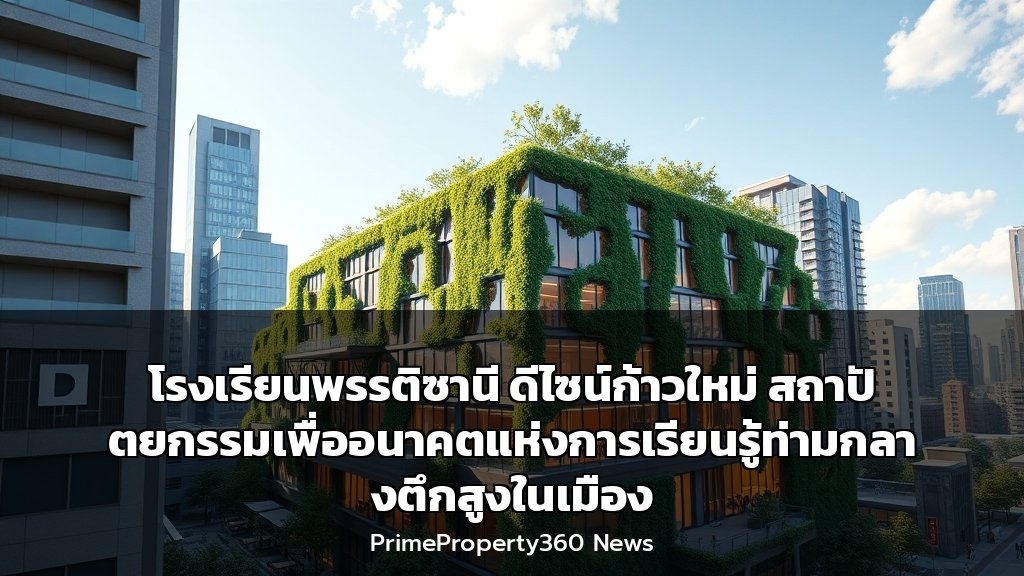
โครงการปรับปรุงโรงเรียน “พาร์ทิซานี” (Partizani) ในย่านใจกลางเมืองที่มีตึกสูงรายล้อมถึง 13 ชั้น กำลังพลิกโฉมแนวคิดการศึกษาในพื้นที่จำกัด สถาปนิกจาก Loft Architects มองว่านี่ไม่ใช่แค่การซ่อมแซมอาคารเรียน แต่คือการสร้าง “พื้นที่แห่งอัตลักษณ์” ที่เชื่อมโยงชุมชนและธรรมชาติเข้าด้วยกัน ในโลกที่คอนกรีตและตึกสูงครอบงำ การเพิ่มพื้นที่สีเขียวและการออกแบบพื้นที่การเรียนรู้แบบเปิดโล่งจึงกลายเป็นหัวใจสำคัญของโครงการนี้ เพื่อให้เด็กๆ ได้เติบโตในสภาพแวดล้อมที่สร้างสรรค์และมีสุขภาพดี
วิเคราะห์เชิงลึก: คุณค่าและการออกแบบ
- คุณค่าทรัพย์สินและทำเล: การตั้งอยู่ในย่านที่มีอาคารสูงหนาแน่นเป็นจุดแข็ง เพราะโรงเรียนแห่งนี้กลายเป็น “โอเอซิสสีเขียว” ท่ามกลางความแออัดของเมือง โครงการนี้จะเพิ่มมูลค่าให้กับพื้นที่โดยรอบ เนื่องจากทัศนียภาพของอาคารเรียนที่โอบล้อมด้วยต้นไม้จะกลายเป็นจุดขายที่ทรงพลังสำหรับคอนโดมิเนียมและอาคารพาณิชย์ใกล้เคียง
- สุนทรียศาสตร์และการออกแบบ: Loft Architects เลือกใช้แนวคิด “การสนทนากับบริบท” โดยไม่พยายามเอาชนะตึกสูง แต่สร้างบทสนทนาทางสถาปัตยกรรมผ่านเส้นสายที่โปร่ง เบา และการใช้วัสดุธรรมชาติ การเชื่อมต่อระหว่างพื้นที่ภายในและภายนอก (Indoor-Outdoor Flow) เป็นกุญแจสำคัญ ซึ่งสอดคล้องกับเทรนด์ Smart Living ที่เน้นการอยู่ร่วมกับธรรมชาติอย่างกลมกลืน
- แนวโน้มตลาดและการใช้ชีวิตอัจฉริยะ: ปัจจุบัน ผู้ปกครองและนักลงทุนให้ความสำคัญกับพื้นที่ที่ส่งเสริม Creative Economy และ Well-being มากขึ้น โรงเรียนแห่งนี้ตอบโจทย์ด้วยการออกแบบพื้นที่ที่ “สร้างสรรค์และความสัมพันธ์ที่ดีพัฒนาได้ตลอดเวลา” แม้จะมีพื้นที่จำกัด แต่การเพิ่มพื้นที่สีเขียวในแนวตั้งและบนดาดฟ้า (Vertical Greenery & Rooftop Garden) จะช่วยลดอุณหภูมิและเพิ่มคุณภาพอากาศ ซึ่งเป็นปัจจัยสำคัญของ Smart City ในยุคนี้
Frequently Asked Questions (FAQ)
-
ทำไมการออกแบบโรงเรียนในเมืองถึงต้องเน้นพื้นที่สีเขียว?
เพราะพื้นที่สีเขียวในเมืองช่วยลดมลภาวะทางอากาศและความร้อน ทั้งยังสร้างบรรยากาศที่ผ่อนคลายสำหรับการเรียนรู้ การออกแบบให้โรงเรียนมีสวนแนวตั้งหรือสวนบนดาดฟ้าไม่เพียงช่วยเพิ่มความสวยงาม แต่ยังเป็นการลงทุนที่ช่วยเพิ่มมูลค่าทรัพย์สินในระยะยาว โดยเฉพาะในย่านที่มีอาคารหนาแน่นสูง -
โครงการนี้ส่งผลต่อชุมชนรอบข้างอย่างไร?
โครงการนี้ถูกออกแบบให้เป็นส่วนหนึ่งของชุมชน (Local Community Integration) โดยการสร้างพื้นที่ที่เปิดกว้างและเชื่อมต่อกับเพื่อนบ้าน การมีโรงเรียนที่สวยงามและเป็นมิตรกับสิ่งแวดล้อมจะช่วยยกระดับภาพลักษณ์ของทั้งย่าน และเพิ่มความน่าสนใจให้กับพื้นที่โดยรอบ ซึ่งจะส่งผลดีต่อตลาดอสังหาริมทรัพย์ในบริเวณนั้น
Architecture and design insights inspired by the project analysis from ArchDaily, a leading source for architectural news and projects. อ่านเพิ่มเติมเกี่ยวกับแนวคิดการออกแบบโครงการนี้ได้ที่ ArchDaily
Full English Article: Partizani High School – A New Paradigm for Urban Education Design
Located in a dense urban fabric where surrounding buildings soar up to 13 stories, the reconstruction of the “Partizani” school by Loft Architects is not merely a renovation. It is a strategic intervention designed to create an “identity space” that bridges the gap between education, community, and nature.
The core philosophy hinges on collaboration with the existing neighborhood. Instead of fighting the vertical dominance of the cityscape, the design fosters a dialogue with the architectural context. The emphasis is on crafting both indoor and outdoor spaces that are dynamic, promoting creativity and healthy relationships. Given the critical lack of vegetation in the area, the project prioritizes a deep connection with nature. This is not just about aesthetics; it’s a functional move to increase greenery, improve air quality, and create a microclimate that benefits both students and the surrounding community.
Design Aesthetics and Market Value
From a luxury real estate and investment perspective, this project exemplifies how educational infrastructure can drive property value. The integration of vertical gardens and green roofs transforms the school into a landmark. For nearby residential towers, having a “green school” in view significantly enhances desirability and sale prices. The design’s focus on Smart Living principles—such as natural ventilation, daylight optimization, and seamless indoor-outdoor transitions—positions the property as a forward-thinking asset.
Impact on the Community
The “Partizani” school is more than a building; it is a catalyst for urban regeneration. By creating open, transparent boundaries, the school invites the local community to participate. This fosters a sense of ownership and safety, which are crucial for maintaining high property values in dense urban settings. The project stands as a testament to the idea that architectural intervention can be both educational and a powerful tool for social and economic upliftment.