บทนำภาษาไทย
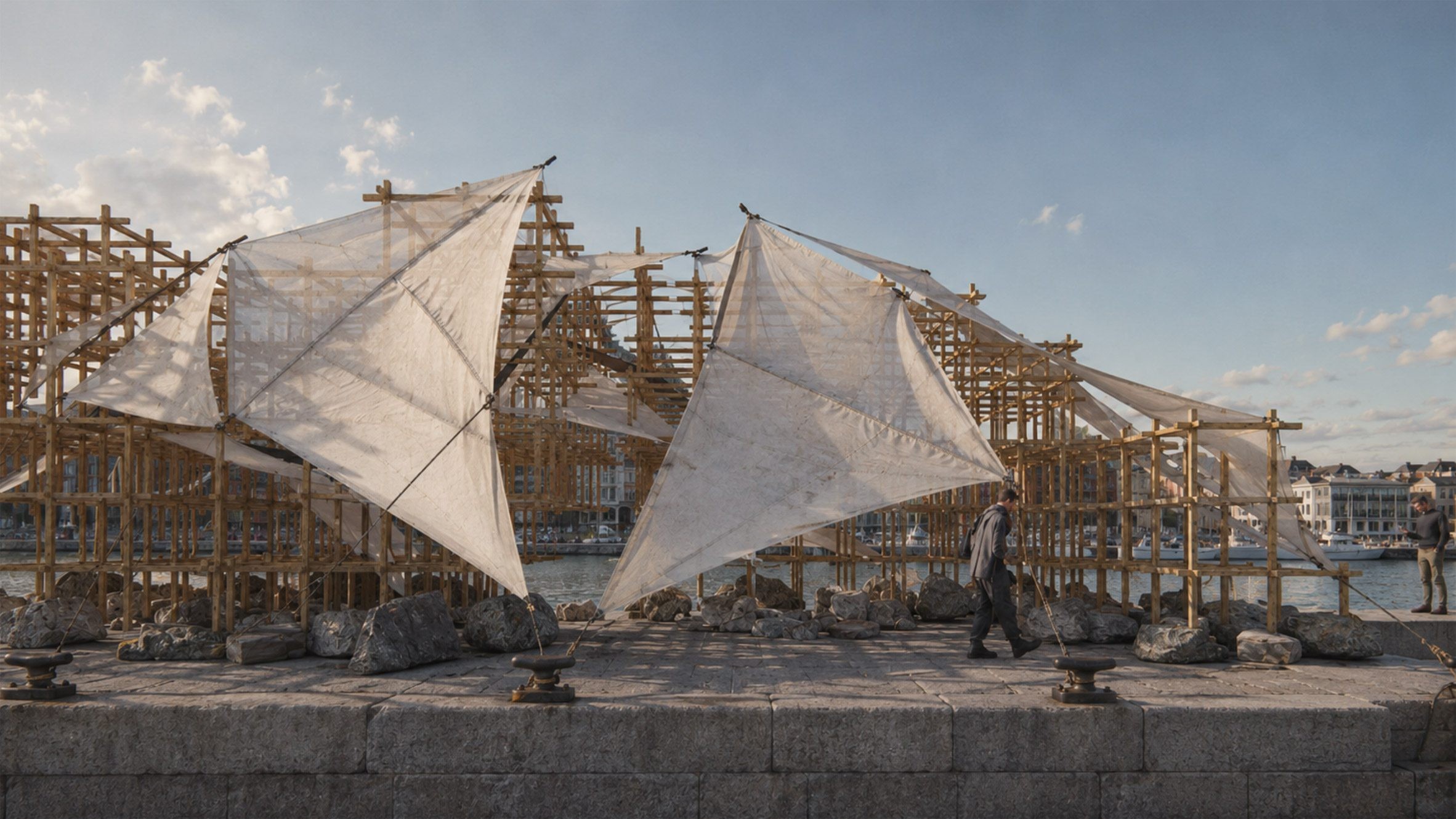
มหาวิทยาลัยพลีมัธ ประเทศอังกฤษ ได้เปิดตัวโครงการออกแบบสถาปัตยกรรมที่โดดเด่น นำเสนอแนวคิด ‘ศูนย์ซ่อมบำรุงและหัตถกรรมริมน้ำ’ ซึ่งสะท้อนถึงคุณค่าของการใช้วัสดุซ้ำและการดูแลสิ่งแวดล้อมอย่างลึกซึ้ง โครงการนี้เน้นการสร้างพื้นที่สาธารณะที่เปิดให้เห็นกระบวนการซ่อมแซมและการผลิตงานหัตถกรรม ควบคู่ไปกับการฟื้นฟูระบบนิเวศทางทะเล ถือเป็นแบบอย่างของการพัฒนาอสังหาริมทรัพย์ที่ยั่งยืนและมีคุณค่าทางสังคมสูง
บทวิเคราะห์เชิงลึกภาษาไทย
– โทนเสียง: ผู้เชี่ยวชาญอสังหาริมทรัพย์หรูหรา น่าเชื่อถือ และมี洞察力 – จุดเน้น: คุณค่าทรัพย์สิน สุนทรียศาสตร์การออกแบบ แนวโน้มตลาด และการใช้ชีวิตอัจฉริยะ
โครงการนี้ไม่เพียงเป็นอาคาร แต่เป็นการลงทุนทางความคิดที่เปลี่ยน ‘การซ่อมแซม’ ให้เป็นสินทรัพย์ทางวัฒนธรรมและสิ่งแวดล้อม การออกแบบที่เน้นการมองเห็นกระบวนการทำงาน (visible public activities) ช่วยเพิ่มมูลค่าให้พื้นที่ โดยเฉพาะในทำเลริมน้ำซึ่งเป็นจุดขายสำคัญของอสังหาริมทรัพย์ระดับไฮเอนด์ การนำวัสดุกลับมาใช้ใหม่ (circular material practices) สอดคล้องกับแนวโน้มตลาดที่ผู้ซื้อรุ่นใหม่ให้ความสำคัญกับความยั่งยืนและการดูแลโลก การมีศูนย์กลางเช่นนี้ทำให้ทำเลโดยรอบกลายเป็น ‘ชุมชนแห่งการดูแล’ (collective care) ซึ่งช่วยเสริมความน่าอยู่และศักยภาพในการเติบโตของมูลค่าทรัพย์สินในระยะยาว
นอกจากการออกแบบที่สวยงามแล้ว โครงการยังผสานการทำงานร่วมกันระหว่างมหาวิทยาลัย ชุมชน และอุตสาหกรรม เช่น การฟื้นฟูพื้นทะเลใน Plymouth Sound และการเปลี่ยนน้ำท่าเรือที่ปนเปื้อนให้เป็นทรัพยากรสำหรับการวิจัย สิ่งนี้ตอกย้ำแนวคิด ‘อสังหาริมทรัพย์อัจฉริยะ’ ที่ไม่ใช่แค่ที่อยู่อาศัย แต่เป็นส่วนหนึ่งของระบบนิเวศที่มีชีวิต ซึ่งเป็นปัจจัยดึงดูดนักลงทุนและผู้อยู่อาศัยที่มองหาคุณค่าที่เหนือกว่าทรัพย์สินทั่วไป
ประเด็นสำคัญ
- ทำเลเชิงกลยุทธ์: ตั้งอยู่บนริมน้ำของ Plymouth สร้างจุดเชื่อมต่อระหว่างเมือง ทะเล และชุมชน
- แนวคิดการออกแบบ: เน้น ‘การซ่อมแซม’ เป็นกระบวนการเชิงรุก ไม่ใช่การแก้ปัญหาชั่วคราว
- วัสดุศาสตร์: ใช้วัสดุหมุนเวียนและกระบวนการผลิตที่เปิดเผยสู่สาธารณะ
- ผลกระทบต่อสิ่งแวดล้อม: รวมถึงห้องปฏิบัติการฟื้นฟูระบบนิเวศและการจัดการน้ำเสียอย่างสร้างสรรค์
- มูลค่าทรัพย์สิน: เสริมสร้างภาพลักษณ์ของย่านให้เป็นศูนย์กลางนวัตกรรมและการใช้ชีวิตอย่างยั่งยืน
Full English Translation
The University of Plymouth has unveiled a standout architectural project, proposing a ‘waterfront repair and craft hub’ that deeply reflects the value of material reuse and environmental stewardship. This project focuses on creating public spaces where repair processes and craft production are made visible, alongside the restoration of marine ecosystems. It serves as a model for sustainable and socially valuable real estate development.
- Professional Tone: Luxury, Trustworthy, Insightful
- Focus: Property value, design aesthetics, market trends, and smart living.
This project is not just a building; it is a conceptual investment that transforms ‘repair’ into a cultural and environmental asset. The design emphasizes visible working processes, which adds value to the location, especially on the waterfront, a key selling point for high-end real estate. The use of circular material practices aligns with market trends where new generations prioritize sustainability and planetary care. The establishment of such a hub turns the surrounding area into a ‘community of care’, enhancing livability and long-term property appreciation potential.
Beyond aesthetic design, the project integrates collaboration between the university, community, and industry, such as restoring the seabed in Plymouth Sound and transforming polluted harbor water into a research resource. This reinforces the concept of ‘smart real estate’—not just a place to live, but part of a living ecosystem, attracting investors and residents seeking value beyond conventional properties.
Key Points Summary
- Strategic Location: Positioned on the Plymouth waterfront, creating a link between the city, sea, and community.
- Design Philosophy: Emphasizes ‘repair’ as a proactive process, not a temporary fix.
- Material Science: Utilizes circular materials and public-facing fabrication processes.
- Environmental Impact: Includes regenerative laboratories and innovative water management.
- Property Value: Strengthens the district’s image as an innovation and sustainable living hub.