ในย่านอุตสาหกรรมเก่าแก่ของเมืองเดเบรเซน ประเทศฮังการี อาคารโรงตากหนังที่เคยรกร้างกลายเป็นผลงานชิ้นเอกแห่งการออกแบบ ‘The Dryer Workshop’ โดยทีม Atelier dmb ได้เปลี่ยนพื้นที่ 300 ตารางเมตรนี้ให้เป็น ‘Incubator House’ หรือบ้านบ่มเพาะความคิดสำหรับคณะสถาปัตยกรรมศาสตร์ มหาวิทยาลัยเดเบรเซน โครงการนี้ไม่ใช่แค่การซ่อมแซมตึกเก่า แต่คือการสร้าง ‘ชุมชนแห่งการเรียนรู้’ ที่นอกเหนือจากกำแพงมหาวิทยาลัย ด้วยงบประมาณเพียง 365 ยูโรต่อตารางเมตร พวกเขาสามารถเนรมิตพื้นที่ใช้งานรวม 400 ตารางเมตร ที่ผสานความเป็นอุตสาหกรรมดั้งเดิมเข้ากับฟังก์ชันการใช้งานสมัยใหม่ได้อย่างลงตัว
เจาะลึกการออกแบบ : คุณค่าของพื้นที่ที่ยืดหยุ่นและมีชีวิต
การออกแบบของ Atelier dmb นั้นไม่เพียงแต่คำนึงถึงความสวยงาม แต่ยังเน้นการสร้างมูลค่าเพิ่มให้กับทรัพย์สินและตอบโจทย์การใช้งานในระยะยาว ซึ่งเป็นหัวใจสำคัญของตลาดอสังหาริมทรัพย์ระดับพรีเมียมในปัจจุบัน
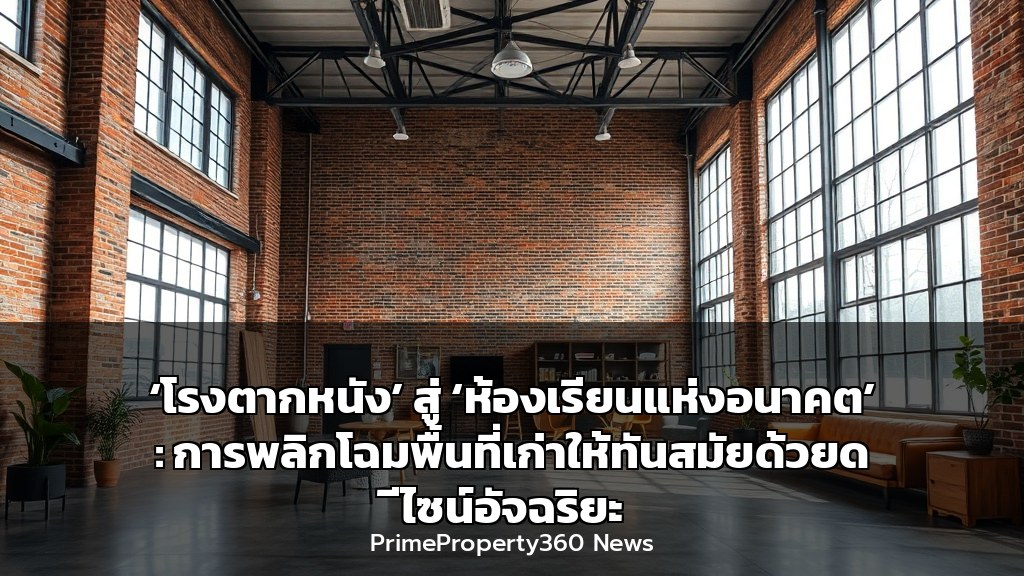
- การอนุรักษ์และปรับใช้ (Adaptive Reuse) : หัวใจของโครงการคือการรักษาโครงสร้างและบรรยากาศดั้งเดิมของโรงงานตากหนังเอาไว้ ผนังอิฐเก่า เสาคอนกรีต และหลังคาไม้ ถูกนำมาเล่าเรื่องราวทางประวัติศาสตร์ ขณะที่การเพิ่มเติมฟังก์ชันใหม่ ๆ เช่น ลานภายในที่เปิดโล่ง (Covered Courtyard) พื้นที่จัดอีเวนท์ และสตูดิโอทำงาน ถูกออกแบบให้สอดแทรกอย่างกลมกลืน แนวทางนี้ไม่เพียงช่วยลดต้นทุนค่าก่อสร้าง แต่ยังสร้าง ‘เอกลักษณ์’ ที่หาจากที่ไหนไม่ได้ ซึ่งเป็นที่ต้องการอย่างมากในกลุ่มนักลงทุนที่มองหาพื้นที่ที่มี ‘วิญญาณ’
- การออกแบบที่ยืดหยุ่น (Flexible Design) : ด้วยพื้นที่รวมเพียง 400 ตารางเมตร สถาปนิกได้แยกโซนการใช้งานอย่างชาญฉลาด โดยใช้ ‘ลานภายใน’ เป็นตัวเชื่อมต่อระหว่างพื้นที่ส่วนกลางและส่วนตัว เส้นทางการสัญจรถูกออกแบบให้เป็นเส้นโค้งที่น่าสนใจ กระตุ้นให้เกิดปฏิสัมพันธ์และการพบปะโดยบังเอิญ ซึ่งเป็นแนวคิดของ ‘Smart Living’ และ ‘Co-Working Space’ ในรูปแบบที่เรียบง่ายแต่ทรงพลัง
- วัสดุและแสงสว่าง (Materiality and Lighting) : การเลือกใช้วัสดุอย่าง ‘เหล็กกล้า’ สำหรับบันไดและกรอบทางเข้า (Steel Stair & Steel Entrance Box) สร้างความแตกต่างอย่างมีชั้นเชิงกับความอบอุ่นของไม้และอิฐเก่า พร้อมกันนั้น การเปิดช่องแสงขนาดใหญ่ที่หันเข้าสู่สวนเล็ก ๆ (Small Garden) และการเจาะช่องแสงบนหลังคา ช่วยให้แสงธรรมชาติสาดส่องเข้ามาภายในอาคารตลอดทั้งวัน ลดการใช้พลังงานและสร้างบรรยากาศที่ผ่อนคลาย เหมาะสำหรับการเรียนและการทำงานสร้างสรรค์
FAQ (คำถามที่พบบ่อย)
1. โครงการ The Dryer Workshop มีลักษณะเด่นอย่างไรเมื่อเทียบกับโครงการปรับปรุงอาคารเก่าทั่วไป?
โครงการนี้โดดเด่นด้วยการใช้ ‘แนวคิดแบบ Incubator House’ หรือบ้านบ่มเพาะ ซึ่งไม่ใช่แค่การปรับปรุงพื้นที่ แต่เป็นการออกแบบให้พื้นที่นั้นเป็น ‘สิ่งมีชีวิต’ ที่สามารถปรับเปลี่ยนตามความต้องการของผู้ใช้ได้ตลอดเวลา การรักษาโครงสร้างดั้งเดิม (Leather-drying Factory) และการผสมผสานวัสดุสมัยใหม่ เช่น เหล็กกล้า กับวัสดุเก่าอย่างอิฐและไม้ ได้อย่างลงตัว ทำให้เกิดเป็นพื้นที่ที่มีทั้งเสน่ห์แห่งประวัติศาสตร์และฟังก์ชันการทำงานที่ทันสมัย
2. มูลค่าการลงทุนต่อตารางเมตรของโครงการนี้คุ้มค่าหรือไม่?
ด้วยงบประมาณ 365 ยูโรต่อตารางเมตร (ประมาณ 14,000 บาท ขึ้นกับอัตราแลกเปลี่ยน) ซึ่งถือว่าต่ำมากสำหรับโครงการประเภทนี้ในยุโรป โครงการนี้พิสูจน์ให้เห็นว่า ‘การออกแบบที่ชาญฉลาดและยั่งยืน’ (Smart & Sustainable Design) สามารถสร้างพื้นที่ที่มีมูลค่าสูงในเชิงพาณิชย์และคุณภาพชีวิต โดยไม่จำเป็นต้องใช้งบประมาณที่สูงลิ่ว ถือเป็นกรณีศึกษาที่ดีสำหรับการพัฒนาโครงการในเมืองที่มีงบประมาณจำกัด
Full English Article: The Adaptive Reuse Genius of The Dryer Workshop / Atelier dmb
In the historic industrial district of Debrecen, Hungary, a dilapidated leather-drying factory has been reborn. The Dryer Workshop, designed by Atelier dmb, is not merely a renovation; it is a masterclass in adaptive reuse. Transforming a 300 sqm site into a 400 sqm incubator house for the University of Debrecen’s Faculty of Architecture, the project achieved a remarkable cost of just €365 per square meter. This case study exemplifies how thoughtful design can unlock immense property value while creating a vibrant, flexible community space.
In-Depth Analysis: The Architecture of Value and Flexibility
The project’s genius lies in its commitment to preserving the site’s industrial soul while injecting modern functionality—a principle highly coveted in the luxury real estate and smart living sectors.
- Adaptive Reuse as a Value Driver: The architects retained the existing structure’s raw materials—brick walls, timber roofs, and concrete columns. This historical palimpsest was then woven together with modern interventions like the steel entrance box and a light-filled covered courtyard. This approach creates a unique, irreplaceable asset. In luxury markets, such properties with distinct character and history command a premium, as they offer more than just square footage—they offer a narrative. The project proves that high value does not always require a high budget, but rather high creativity and respect for the original fabric, as noted by the architects: “we were searching for a new home… in freer, adaptable spaces” (Source: EUmies Awards).
- Smart Living & Flexible Design: The 400 sqm floor plan is a study in efficient zoning. The covered courtyard acts as a central lung, connecting event spaces with private studios. The design intentionally avoids rigid layouts, allowing the space to evolve for different uses—from academic lectures to community events. This flexibility is the cornerstone of modern smart living, where space must adapt to the occupant’s needs, not the other way around.
- Atmospheric Materiality: The deliberate contrast between old and new is a visual and tactile delight. The raw, weathered brick is juxtaposed against the sleek, industrial precision of the steel staircase (steel stair to the first floor). Large openings towards a small garden and skylights flood the interior with natural light, reducing energy dependency and creating a serene, productive ambiance. This careful curation of materials and light elevates the project from a simple renovation to a piece of architectural art.