บทนำ
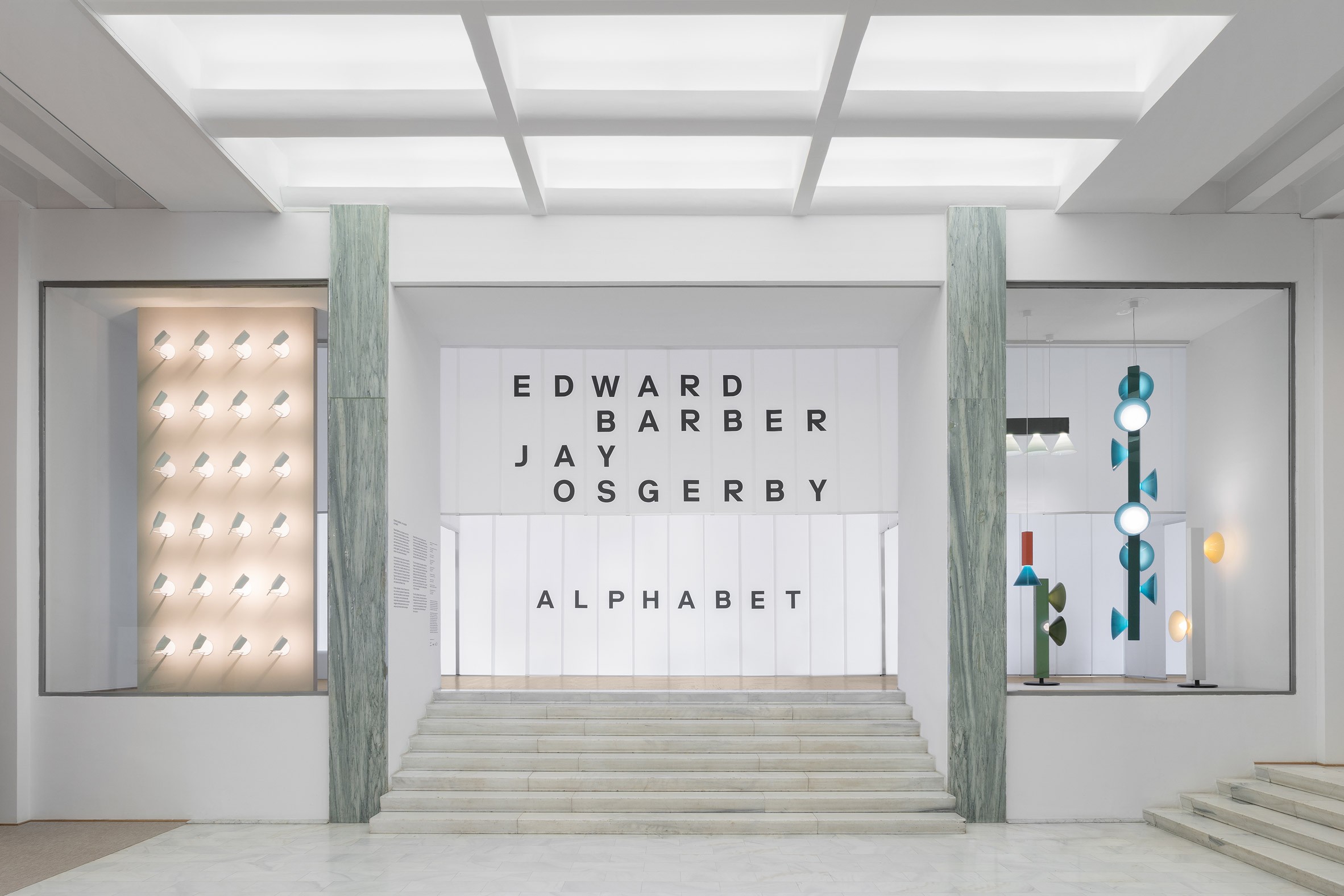
เป็นข่าวใหญ่ของวงการดีไซน์ระดับโลก เมื่อ Barber Osgerby สตูดิโอออกแบบชื่อดังจากลอนดอน ประกาศปิดตัวลงอย่างเป็นทางการหลังจากดำเนินงานมากว่า 30 ปี คู่หูนักออกแบบ Edward Barber และ Jay Osgerby ตัดสินใจก้าวสู่เส้นทางใหม่ในการทำงานแบบอิสระ โดยนับเป็นการเปลี่ยนแปลงครั้งสำคัญที่สะท้อนถึงวิวัฒนาการของอุตสาหกรรมครีเอทีฟ
บทวิเคราะห์เชิงลึก
มุมมองด้านมูลค่าทรัพย์สินและแบรนด์: การปิดสตูดิโอครั้งนี้ไม่ได้หมายถึงการสิ้นสุด แต่เป็นกลยุทธ์การปรับโครงสร้างธุรกิจที่ชาญฉลาด Barber และ Osgerby เข้าใจดีว่ามูลค่าของแบรนด์ไม่ได้อยู่ที่ตัวสตูดิโอ แต่คือดีเอ็นเอแห่งนวัตกรรมที่พวกเขาสร้างไว้ การแยกตัวจากการบริหารสตูดิโอขนาดใหญ่ที่มีพนักงาน 85 คน ช่วยลดต้นทุนการดำเนินงานคงที่ และเพิ่มความยืดหยุ่นในการเลือกโปรเจกต์ที่มีผลตอบแทนสูงกว่า ซึ่งเป็นแนวโน้มที่กำลังมาแรงในตลาดลักชัวรี
สุนทรียศาสตร์และความยั่งยืนเบื้องหลังดีไซน์: ผลงานของ Barber Osgerby อาทิ เก้าอี้ Tip Ton ที่ใช้การเคลื่อนไหวโดยไม่ต้องอาศัยกลไก หรือระบบน้ำ Axor ที่ประหยัดน้ำและโลหะ ล้วนสะท้อนแนวคิด “less is more” ที่ผสานความงามเข้ากับฟังก์ชันการใช้งาน สิ่งนี้สร้างคุณค่าเพิ่มให้ทรัพย์สินที่ใช้ดีไซน์ของพวกเขา เนื่องจากผู้ซื้อที่ชาญฉลาดในปัจจุบันให้ความสำคัญกับความยั่งยืนและความทนทาน แนวทางนี้สอดคล้องกับเทรนด์ “Smart Living” ที่ผสานเทคโนโลยีเข้ากับการออกแบบเพื่อคุณภาพชีวิตที่ดีขึ้น
แนวโน้มตลาดและการลงทุน: การกลับมาทำงานแบบอิสระของ Barber และ Osgerby สะท้อนถึงการเปลี่ยนแปลงครั้งใหญ่ของตลาดดีไซน์ระดับโลก ซึ่งนักออกแบบรุ่นใหญ่กำลังหันมาเน้นคุณค่ามากกว่าปริมาณ สำหรับนักลงทุนและผู้พัฒนาอสังหาริมทรัพย์ นี่คือสัญญาณว่าอสังหาริมทรัพย์ที่มีดีไซน์เฉพาะตัว (Unique Design) จะมีมูลค่าสูงขึ้นเรื่อยๆ เนื่องจากมีความขาดแคลนและเป็นงานคราฟต์ฝีมือระดับมาสเตอร์พีซ
สรุปประเด็นสำคัญ:
- การปิดสตูดิโอเป็นยุทธศาสตร์เพื่อเพิ่มอำนาจในการเลือกสรรโปรเจกต์ที่ตรงกับวิสัยทัศน์
- มุ่งเน้นนวัตกรรมที่มีประโยชน์จริง ไม่ใช่แค่สวยงาม
- ลดค่าใช้จ่ายคงที่ เพิ่มความคล่องตัวในการดำเนินธุรกิจ
- ตอกย้ำเทรนด์ดีไซน์ที่เน้นความยั่งยืนและคุณภาพชีวิต
- เปิดโอกาสให้ร่วมงานกับแบรนด์หรูและโปรเจกต์พรีเมียมมากขึ้น
English Translation
Major Reinvention! Barber Osgerby Closes Studio After 30 Years to Begin a New Independent Path
It is major news in the global design industry as Barber Osgerby, the renowned London-based design studio, officially closes after more than 30 years of operation. The design duo Edward Barber and Jay Osgerby have decided to take a new path by working independently, marking a significant shift that reflects the evolution of the creative industry.
In-depth Analysis
Property Value and Brand Perspective: The closure of the studio does not signify an end, but rather a clever business restructuring strategy. Barber and Osgerby understand that the brand’s value does not lie in the studio itself, but in the DNA of innovation they have created. Separating from managing a large studio of 85 employees helps reduce fixed operating costs and increases flexibility in selecting projects with higher returns, a trend gaining momentum in the luxury market.
Aesthetics and Sustainability Behind the Design: Works by Barber Osgerby, such as the Tip Ton chair, which uses movement without mechanisms, or the Axor water system that conserves water and metal, all reflect the “less is more” philosophy that blends beauty with functionality. This creates added value for properties featuring their designs, as today’s discerning buyers prioritize sustainability and durability. This approach aligns with the “Smart Living” trend that integrates technology with design for a better quality of life.
Market Trends and Investment: The return to independent work by Barber and Osgerby reflects a major shift in the global design market, where veteran designers are turning to focus on value over volume. For investors and real estate developers, this is a signal that properties with unique designs will continue to appreciate in value due to their scarcity and the master craftsmanship involved.
Key takeaways:
– Closing the studio is a strategy to increase the power to select projects that align with their vision.
– Focus on genuinely useful innovation, not just aesthetics.
– Reduce fixed costs and increase business agility.
– Reinforce the trend of design focused on sustainability and quality of life.
– Open opportunities to collaborate with luxury brands and premium projects.
อ้างอิง
- Source: Interior Design