บทนำ
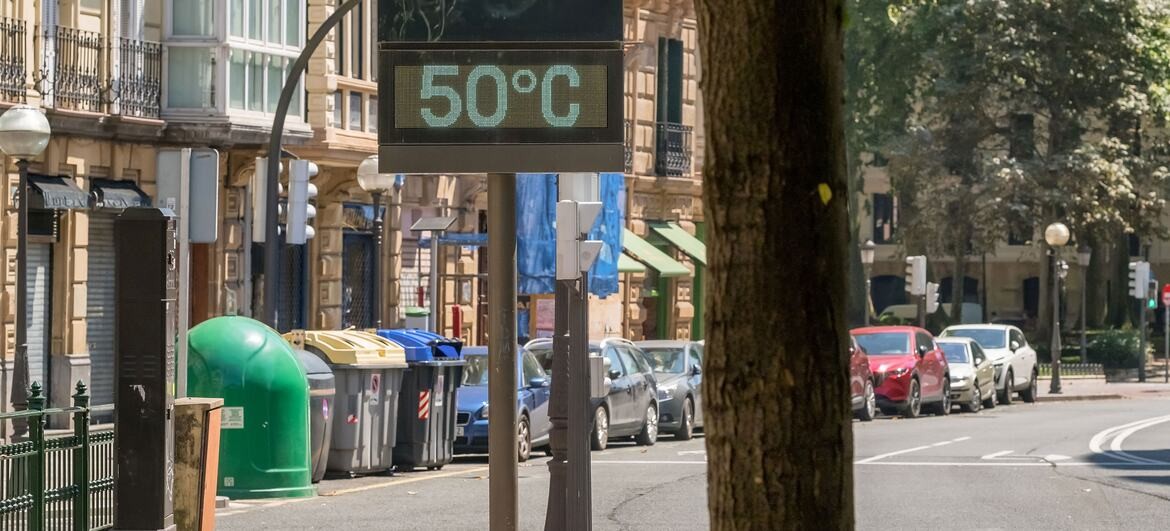
องค์การอนามัยโลก (WHO) กำลังผลักดันยุโรปให้ปรับปรุงโรงพยาบาลและสถานพยาบาลให้ทนทานต่อคลื่นความร้อนที่รุนแรงขึ้น เนื่องจากการเปลี่ยนแปลงสภาพภูมิอากาศทำให้เกิดการเสียชีวิตจากความร้อนถึง 63,000 รายในปี 2567 โดยเน้นว่ามาตรการป้องกันสามารถลดความเสี่ยงได้อย่างมีนัยสำคัญ และโรงพยาบาลต้องเป็นแนวหน้าในการรับมือกับวิกฤตนี้ ไม่ใช่เป็นเพียงผู้รับผลกระทบเฉยๆ
วิเคราะห์เชิงลึกจากมุมมองผู้เชี่ยวชาญด้านอสังหาริมทรัพย์ระดับหรู
- มูลค่าทรัพย์สินและมาตรฐานความปลอดภัย: โรงพยาบาลที่ได้รับการรับรองมาตรฐานยุโรป (EN 15251) และติดตั้งระบบกันความร้อนที่มีประสิทธิภาพจะกลายเป็นสินทรัพย์ที่มีมูลค่าสูงในตลาดอสังหาริมทรัพย์เพื่อสุขภาพ (Healthcare Real Estate) โดยเฉพาะในเขตเมืองใหญ่ของยุโรปที่เผชิญกับคลื่นความร้อนบ่อยครั้ง
- ดีไซน์และสถาปัตยกรรมอันชาญฉลาด: การติดตั้งบานเกล็ดภายนอก ม่านกันแดด วัสดุฉนวนกันความร้อนบนหลังคาและหน้าต่าง (เช่น กระจกสองชั้น) รวมถึงการใช้ต้นไม้และพื้นที่สีเขียวรอบอาคาร ไม่เพียงแต่ลดการดูดซับความร้อน แต่ยังสร้างบรรยากาศที่หรูหราและเป็นมิตรกับสิ่งแวดล้อม ซึ่งสอดคล้องกับแนวคิด Smart Living และ Wellness Real Estate
- แนวโน้มตลาด: การปรับปรุงโรงพยาบาลให้ทนทานต่อความร้อนไม่ใช่ทางเลือกอีกต่อไป แต่เป็นความจำเป็นที่ส่งผลต่อความน่าเชื่อถือและความสามารถในการแข่งขันของโครงการ โรงพยาบาลที่ลงทุนในระบบปรับอากาศสำหรับพื้นที่ผู้ป่วยหนักและห้องฉุกเฉิน รวมถึงแผนปฏิบัติการรับมือคลื่นความร้อน จะสามารถดึงดูดบุคลากรทางการแพทย์และผู้ป่วยที่มีกำลังซื้อสูงได้
ประเด็นสำคัญที่ต้องรู้
- WHO ระบุว่ายุโรปร้อนเร็วกว่าค่าเฉลี่ยโลกถึง 2 เท่า และอัตราการเสียชีวิตจากความร้อนเพิ่มขึ้น 52 รายต่อประชากร 1 ล้านคนในทศวรรษที่ผ่านมา
- ในปี 2566 มาตรการปรับตัวที่มีอยู่แล้วช่วยลดการเสียชีวิตจากความร้อนในยุโรปได้ถึง 80% และในผู้สูงอายุ 80 ปีขึ้นไป ลดลงถึง 2 เท่า
- แนวทางปฏิบัติสำหรับโรงพยาบาลประกอบด้วย:
- ติดตั้งบานเกล็ดและม่านภายนอกด้านทิศใต้
- ใช้วัสดุฉนวนกันความร้อนบนหลังคาและหน้าต่างกระจกสองชั้น
- เพิ่มต้นไม้และพื้นที่สีเขียวเพื่อสร้างร่มเงา
- จัดเตรียมเครื่องปรับอากาศโดยเฉพาะในพื้นที่ส่วนกลาง หอผู้ป่วยหนัก และห้องฉุกเฉิน
- จัดทำแผนเผชิญเหตุคลื่นความร้อนในทุกสถานพยาบาล
คำถามที่พบบ่อย (FAQ)
Full English Translation
WHO pushes Europe to heat-proof hospitals as heat deaths surge
Introduction: The World Health Organization (WHO) is urging Europe to upgrade hospitals and healthcare facilities to withstand increasingly severe heatwaves, as climate change caused an estimated 63,000 heat-related deaths in 2024. WHO emphasizes that preventive measures can significantly reduce risks, and hospitals must lead the response to this crisis rather than simply being victims.
Expert Analysis:
– Property Value and Safety Standards: Hospitals certified to European standards (EN 15251) with effective thermal insulation systems become high-value assets in the healthcare real estate market, particularly in major European cities facing frequent heatwaves.
– Smart Design and Architecture: Installing external shutters, sun curtains, roof and window insulation (e.g., double glazing), and utilizing trees and green spaces around buildings not only reduces heat absorption but also creates a luxurious, eco-friendly atmosphere aligned with Smart Living and Wellness Real Estate concepts.
– Market Trends: Retrofitting hospitals to be heat-resistant is no longer optional but a necessity that impacts project credibility and competitiveness. Hospitals investing in air conditioning for intensive care units and emergency rooms, along with heat response plans, can attract high-income medical staff and patients.
Key Points:
– Europe is warming twice as fast as the global average, with heat-related mortality rising by 52 deaths per million population in the last decade.
– In 2023, existing adaptation measures reduced heat-related deaths in Europe by 80%, and by up to two-fold for people aged 80 and above.
– Recommended hospital measures include installing southern-facing shutters and curtains, roof/window insulation, adding trees for shade, providing air conditioning in common areas and ICUs, and establishing heat response plans in all healthcare facilities.
Citation: WHO Europe – Planning Heat-Health Action